
Yoichiro Otani & Keita Sagaki
Konstellation
August 29 – September 20, 2026
VACANT ROOMは、大谷陽一郎とサガキケイタによる二人展「Konstellation」を開催いたします。
Konstellationは天体相互の位置関係を原義とし、転じて、複数の要素の配置や結びつきから生じる状況を意味します。ヴァルター・ベンヤミンもまた、この語を個々の要素の固有性を保ちながら、その関係から全体を捉える認識論的なモデルとして用いました。
本展では、モノクロームの作品を中心に、白と黒を展示空間の視覚的な基調とします。これにより、色彩の作用が相対的に抑えられ、画面を構成する視覚要素と、それらが全体像を形づくる過程がより明確になります。さらに、こうした展示構成は、夜空に点在する天体がその位置関係によって一つの星座として把握されるというKonstellation本来の意味とも呼応します。
大谷陽一郎は、漢字を線的な秩序から解放し、画面上に配する視覚詩を制作してきました。個々の漢字は形態・音韻・意味を備えた読解可能な記号である一方、画面全体においては線や点、さらには画素に近い視覚的単位として機能します。文字群は隣接関係を越えて複数の方向へと結びつき、鑑賞者の視線の移動に応じて異なる連関を形成します。近距離では一つひとつの文字の形態や意味が前景化し、距離をとると、それらの集積がより大きな図像として把握され、一つの画面のうちに異なる視覚的尺度が併存します。
本展で大谷は、波紋を主題とした新シリーズを発表します。一点から生じた円環が周囲へ伝播し、別の円環と交差しながら広がる波紋の構造は、文字同士の関係が画面全域へと展開していく大谷の制作方法と呼応しています。ここで波紋は描写の対象であると同時に、文字の集積から全体像が成立していく過程を示す構造でもあります。
サガキケイタは、美術史上広く知られた古典絵画などの既存図像を参照し、その像を製図ペンで即興的に描く無数のキャラクターによって再構成してきました。遠距離では一つの明確な図像として把握される画面は、接近するにつれて膨大な微視的図像の集合へと分節され、それぞれが独立した形態と内容をもつ像として顕在化します。既知の全体像を出発点とし、鑑賞距離の変化によって細部が顕在化する構成には、サガキの制作における全体と部分の流動的な関係が表れています。
本展でサガキは、髑髏を主題とする古典絵画を題材とした新シリーズを発表します。髑髏は、memento moriの伝統やvanitas絵画のなかで、死や生の有限性を想起させる代表的なモティーフとして用いられてきました。サガキの作品では、こうした歴史的象徴性を帯びた図像が、大衆文化的かつ戯画的なキャラクター群によって構成されます。そこでは、髑髏というモティーフに蓄積された歴史的意味と、それを構成する個々のキャラクターの形態や内容が、一つの画面のなかに併存しています。
二人の作品は、部分から全体へ、全体から部分へという構成の方向において対照をなします。大谷においては、個々の文字から生じる連関の集積によってより大きな像が形成されるのに対し、サガキにおいては、あらかじめ設定された全体像への接近を通じて、それを構成する無数の形象が次第に顕在化します。こうした方向性の違いをもちながら、いずれの作品においても鑑賞者は距離と視線を変化させることで、細部の認識と全体像の把握とのあいだを往還します。そこでは、それぞれの形象が固有の形態や意味を保ちながら全体像を成り立たせると同時に、全体像もまたそれらの形象のあり方を規定します。部分と全体は相互に規定し合い、その関係を通じて像の意味と構造が形成されます。
VACANT ROOM is pleased to present Konstellation, a two-person exhibition featuring Yoichiro Otani and Keita Sagaki.
Konstellation originally refers to the relative positions of celestial bodies and, by extension, to a situation arising from the arrangement and interrelation of multiple elements. Walter Benjamin likewise employed the term as an epistemological model for grasping a whole through the relations among its constituent elements while preserving the distinct character of each.
Centering on monochrome works, the exhibition establishes black and white as the visual basis of the exhibition space. By relatively suppressing the role of color, the visual elements that constitute each image—and the process through which they form a larger whole—become more clearly perceptible. At the same time, this exhibition structure resonates with the original meaning of Konstellation: celestial bodies scattered across the night sky are perceived as a single constellation through their relative positions.
Yoichiro Otani has developed a form of visual poetry in which kanji characters are released from linear order and distributed across the pictorial field. While each character remains a legible sign endowed with form, sound, and meaning, within the composition as a whole it also functions as a visual unit akin to a line, a point, or even a pixel. Groups of characters connect in multiple directions beyond their immediate adjacencies, generating different constellations of relations as the viewer’s gaze moves across the surface. At close range, the form and meaning of each character come to the fore; from a distance, their accumulation is perceived as a larger image, allowing different visual scales to coexist within a single pictorial field.
For this exhibition, Otani presents a new series centered on the motif of ripples. Circular forms originating from a single point propagate outward, expanding as they intersect with other circles. The structure of these ripples corresponds to Otani’s working method, in which relations among characters extend across the entire pictorial field. Here, the ripple is not only an object of depiction but also a structure that articulates the process by which an accumulation of characters gives rise to a larger image.
Keita Sagaki has drawn upon familiar images from art history, including classical paintings, reconstructing them through countless characters improvised with a technical pen. From a distance, the composition is perceived as a single, clearly recognizable image; as the viewer approaches, however, it breaks down into a vast accumulation of microscopic images, each emerging as an autonomous figure with its own form and content. This movement from a pre-established whole toward the gradual disclosure of its details through changes in viewing distance reveals the fluid relationship between whole and part that characterizes Sagaki’s practice.
For this exhibition, Sagaki presents new works based on classical paintings featuring the skull as their central motif. Within the traditions of memento mori and vanitas painting, the skull has long served as a representative motif evoking death and the finitude of life. In Sagaki’s work, images bearing such historical symbolism are constructed from groups of characters drawn from popular culture and caricature. Within a single pictorial field, the historical meanings accumulated around the motif of the skull coexist with the forms and contents of the individual characters from which it is composed.
The works of the two artists stand in contrast in the direction of their construction: from part to whole, and from whole to part. In Otani’s work, a larger image emerges through the accumulation of relations generated among individual characters; in Sagaki’s, approaching a predetermined overall image gradually reveals the countless figures of which it is composed. Despite these opposing directions, both artists prompt the viewer to move back and forth between the recognition of detail and the apprehension of the whole by altering viewing distance and the movement of the gaze. Each figure retains its own form and meaning while contributing to the formation of the larger image, just as the larger image, in turn, determines how those individual figures are perceived. Part and whole thus define one another, and through this reciprocal relation, the meaning and structure of the image are formed.
Works

Shohei Yamamoto
99-Autumn Road-
2026
Acrylic on canvas, toner
116.7×91.0cm
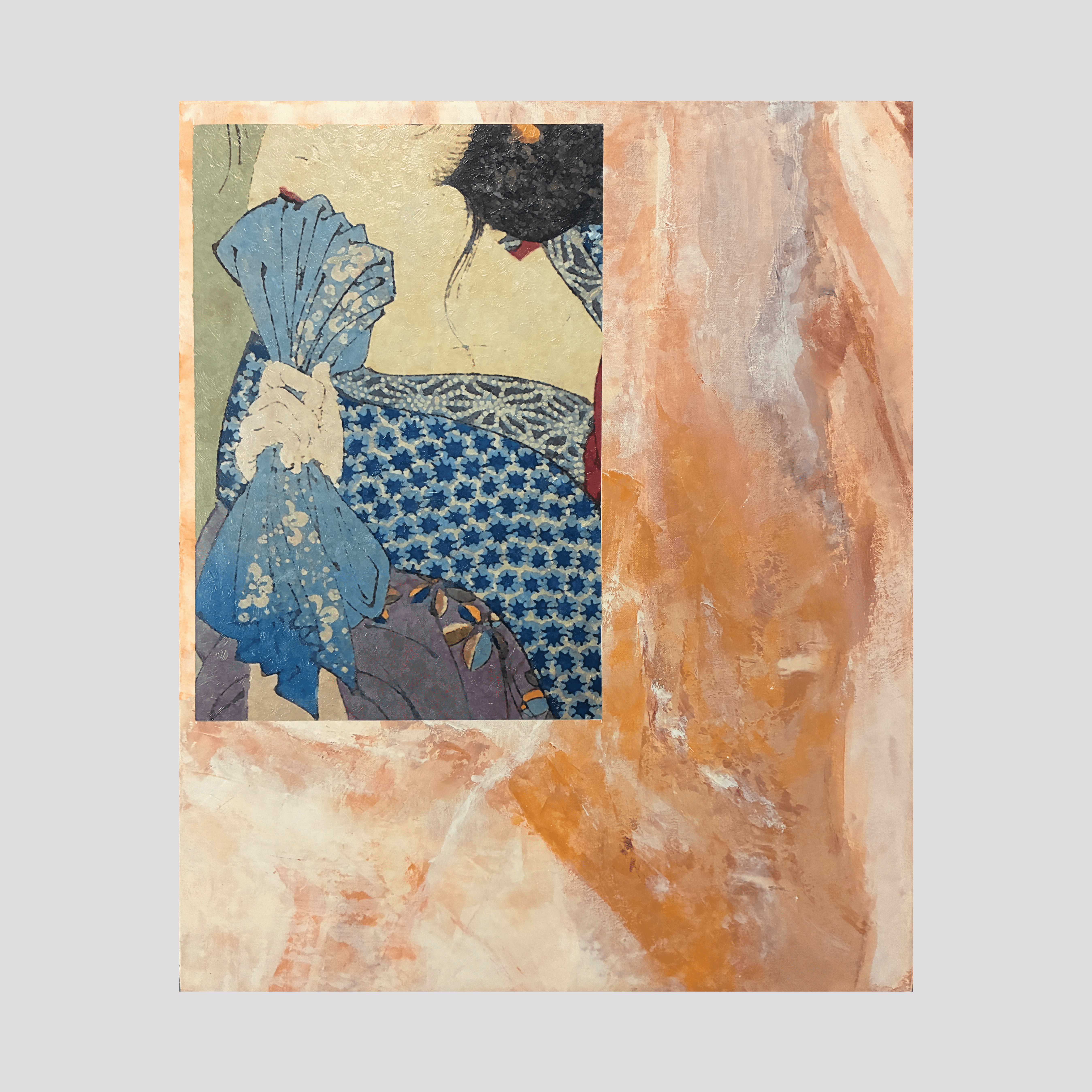
Shohei Yamamoto
99-Itasō-
2026
Acrylic on canvas, toner
60.6×50.0cm
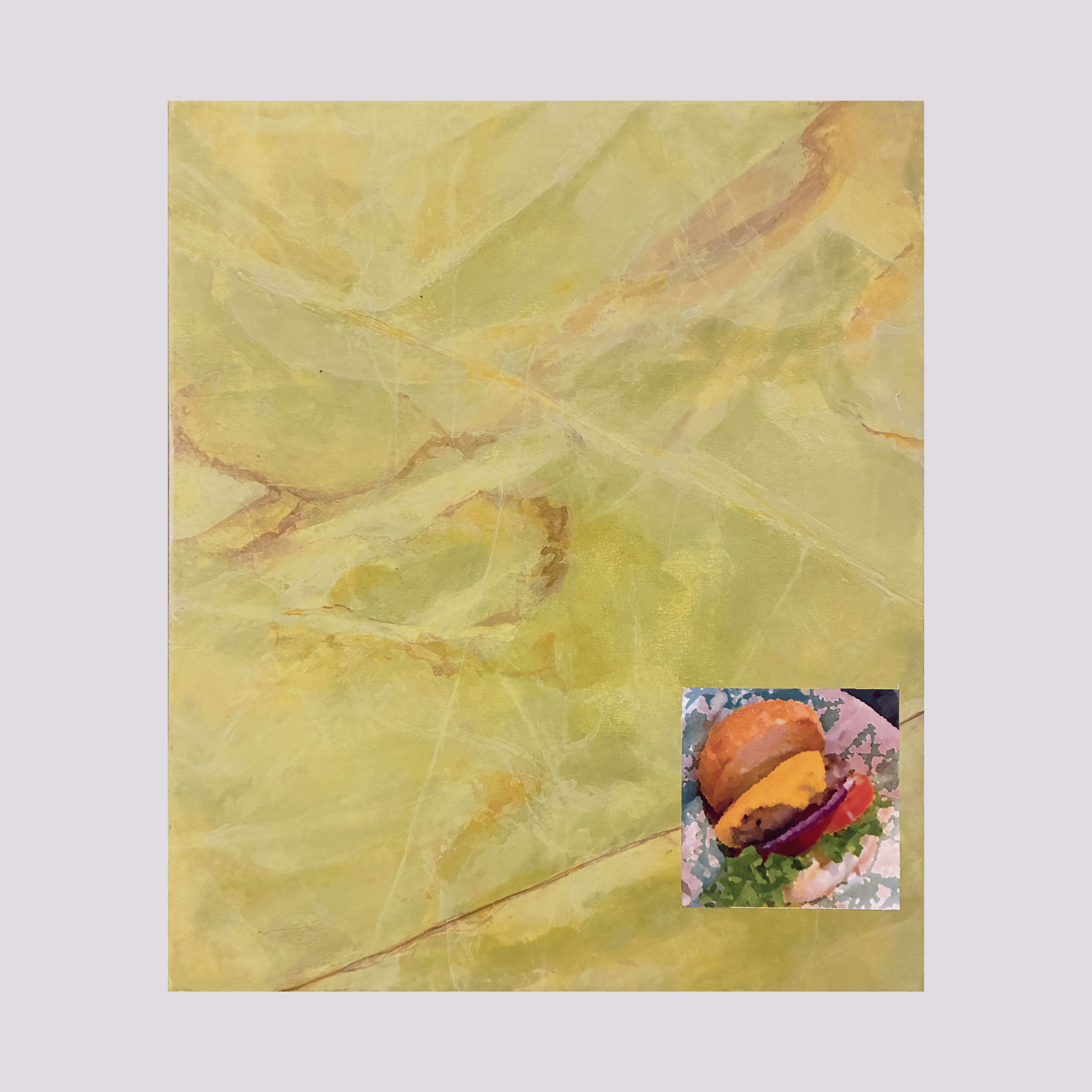
Shohei Yamamoto
99-Hamburger-
2026
Acrylic on canvas, toner
53.0×45.5cm
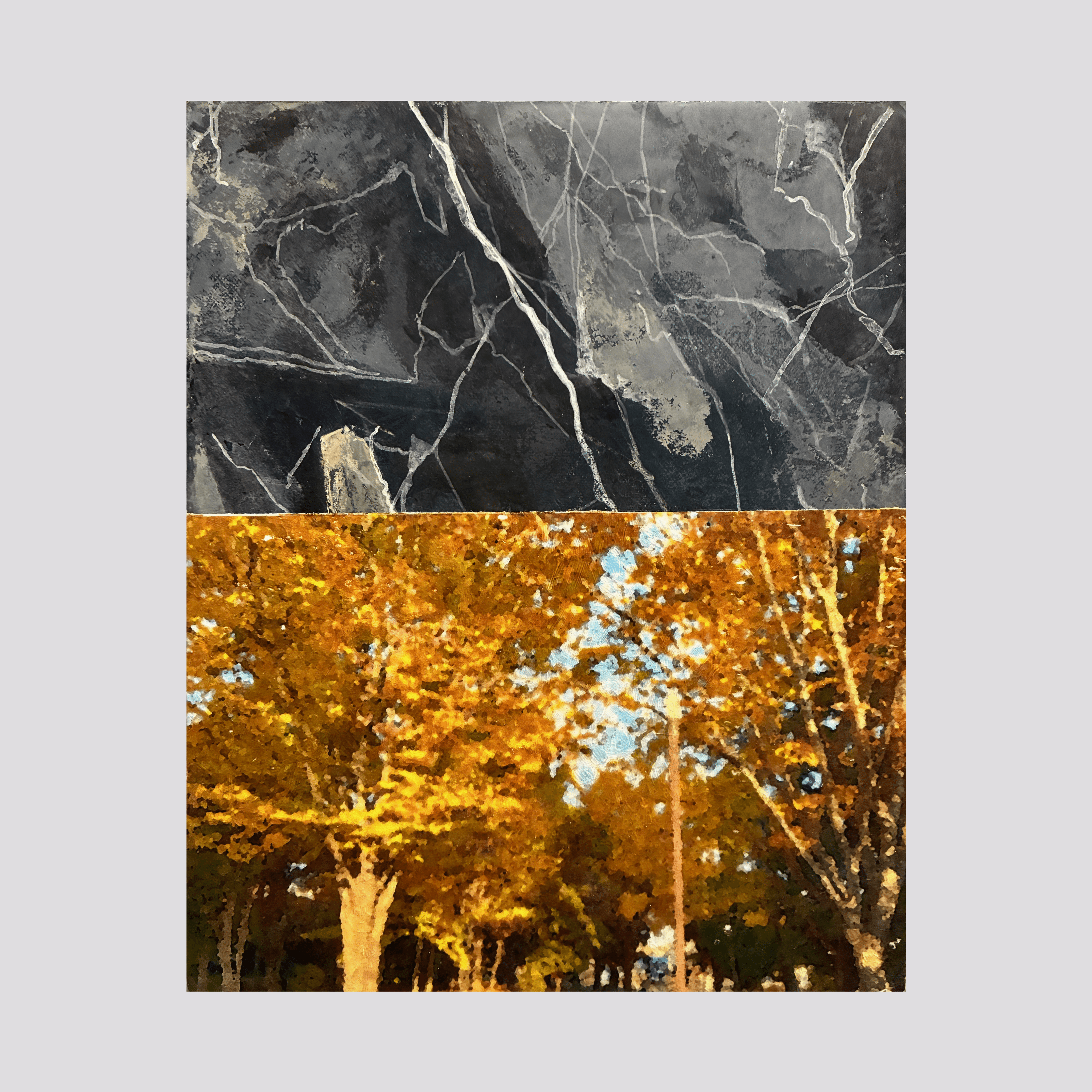
Shohei Yamamoto
99-Whispering Gold-
2026
Acrylic on canvas, toner
27.3×22.0cm

Shohei Yamamoto
99-Flowers-
2026
Acrylic on canvas, toner
27.3×22.0cm

Shohei Yamamoto
99-Komachi-
2026
Acrylic on canvas, toner
116.7×91.0cm
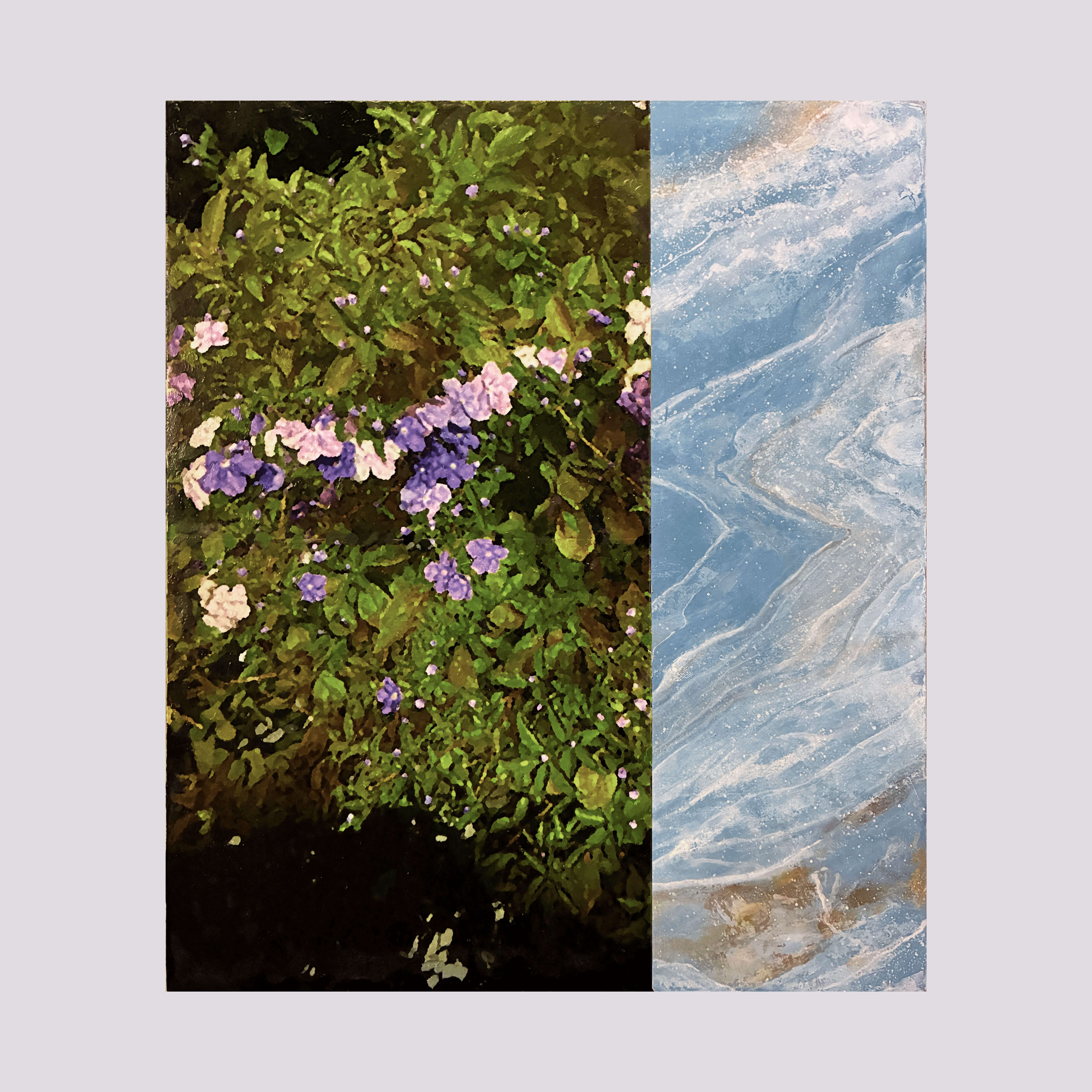
Shohei Yamamoto
99-Hidden Violet-
2026
Acrylic on canvas, toner
53.0×45.5cm
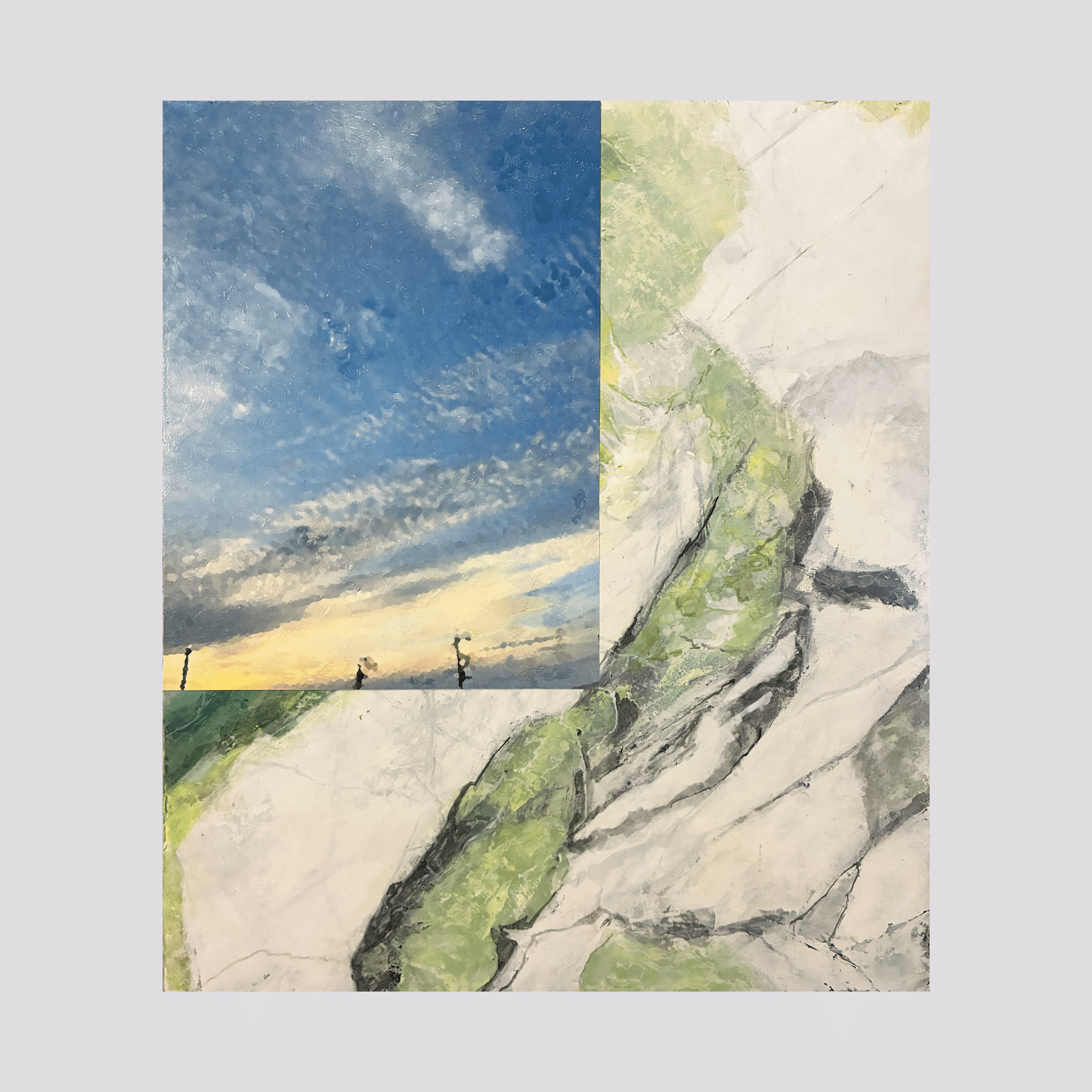
Shohei Yamamoto
99-Last Light-
2026
Acrylic on canvas, toner
53.0×45.5cm
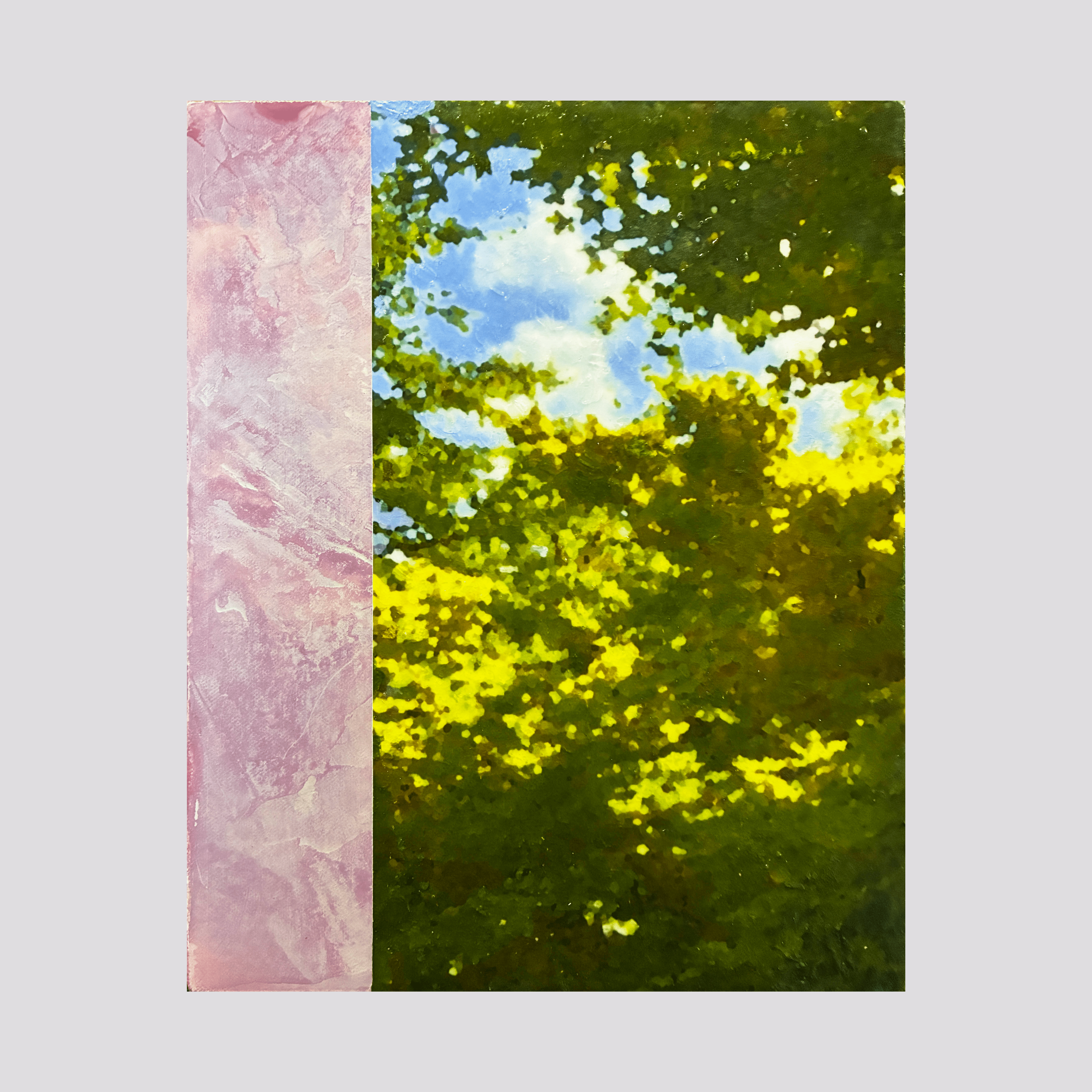
Shohei Yamamoto
99-Between Leaves-
2026
Acrylic on canvas, toner
27.3×22.0cm
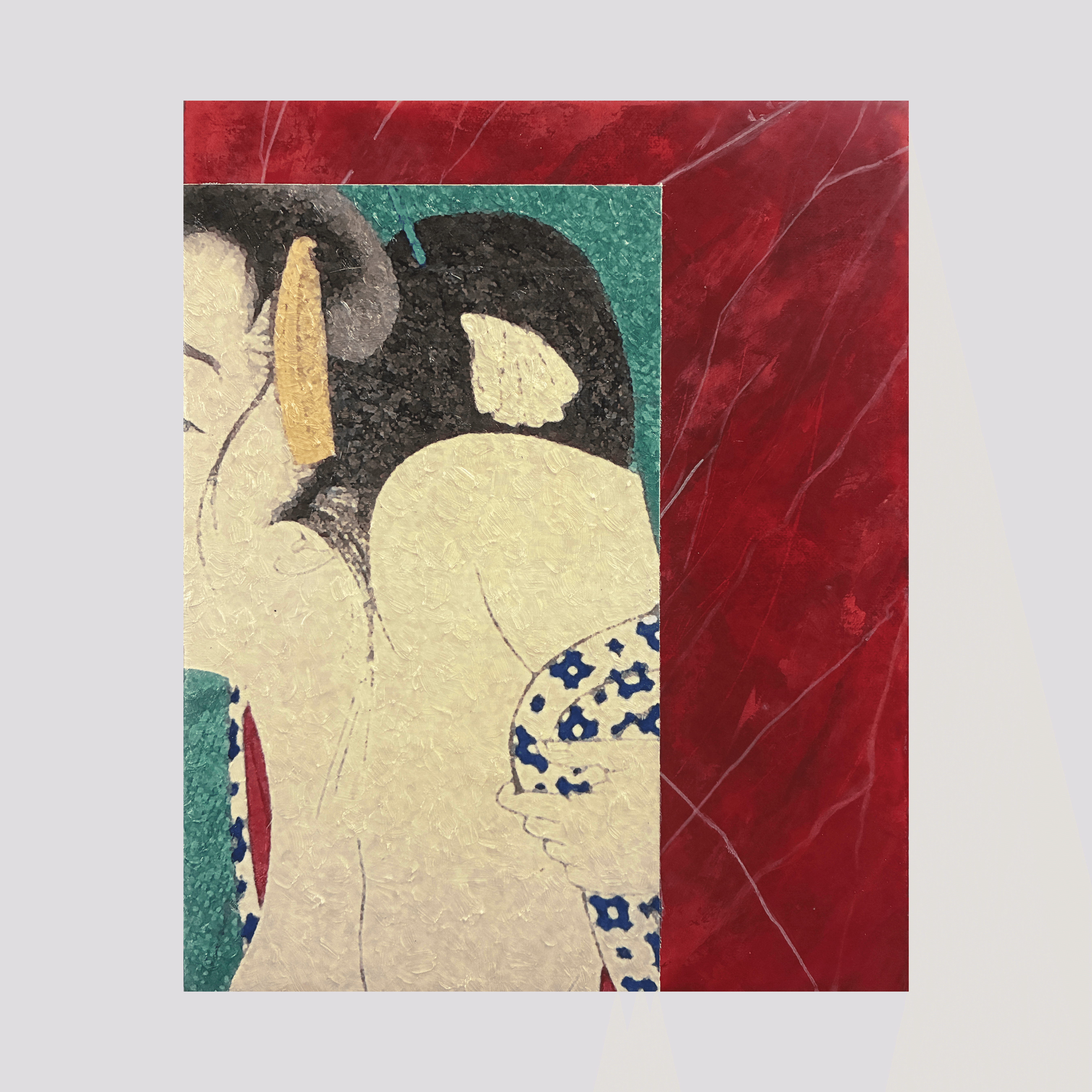
Shohei Yamamoto
99-Kayusō-
2026
Acrylic on canvas, toner
27.3×22.0cm
View Checklist
Installation View
Connect to Content
Add layers or components to make infinite auto-playing slideshows.
Installation View
Installation View
Connect to Content
Add layers or components to make infinite auto-playing slideshows.
Installation View
Works


大谷陽一郎|Yoichiro Otani
e-n #1
2026
Mixed media on canvas
130.3×97.0cm

大谷陽一郎|Yoichiro Otani
ki/u #33
2023
Mixed media on canvas
53.0×33.3cm

大谷陽一郎|Yoichiro Otani
ki/u #70
2023
Mixed media on canvas
65.2×45.5cm

サガキケイタ|Keita Sagaki
ヴァニタスII -No Future No Cry-
2026
Pen, Fabriano Classico paper, panel
24.1×35.9cm

サガキケイタ|Keita Sagaki
ヴァニタスIV -Sweet Surrender-
2026
Pen, Fabriano Classico paper, panel
37.0×45.5cm
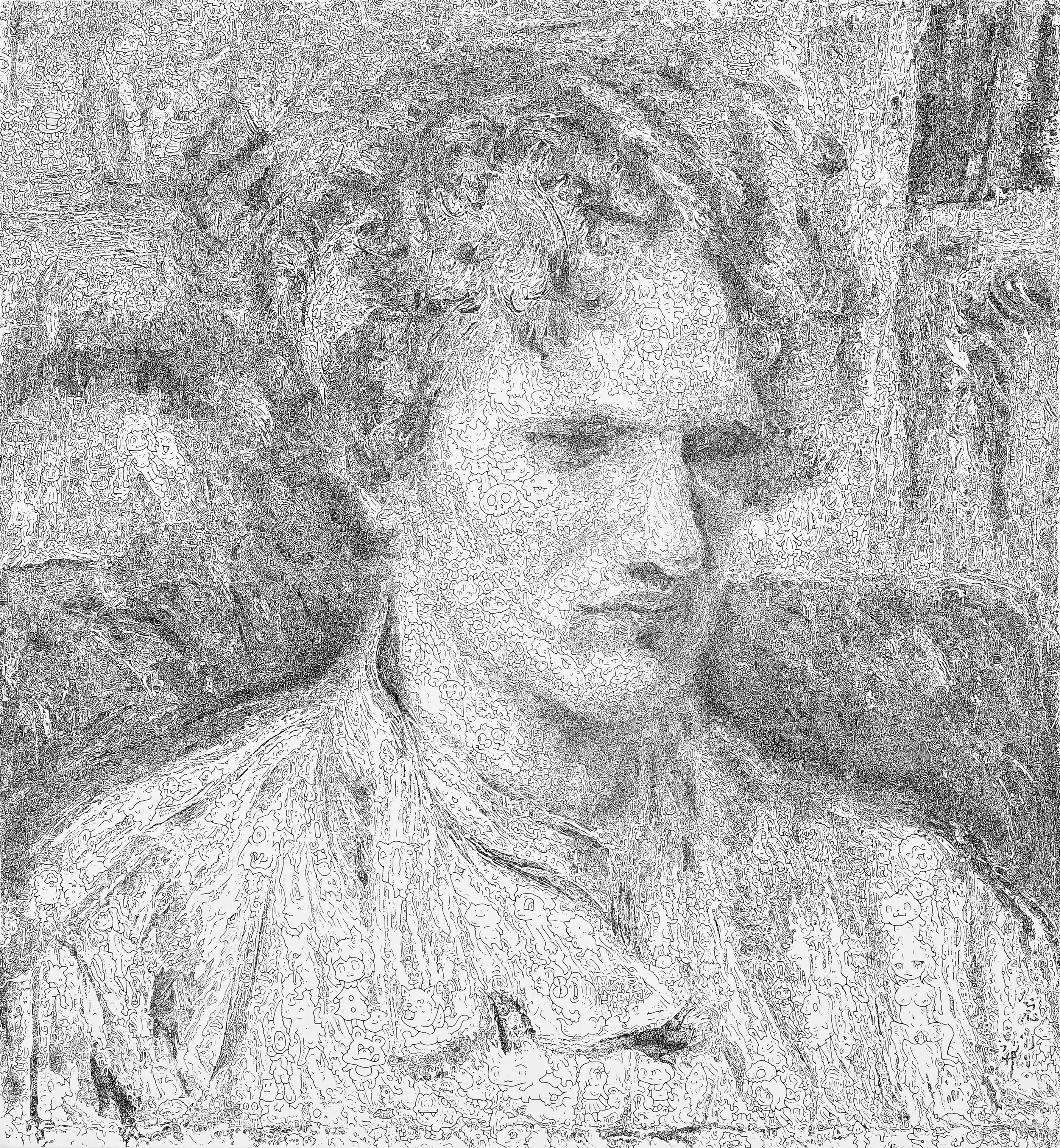
サガキケイタ|Keita Sagaki
エロシェンコ氏の像(Make Love)
2025
Pen, Fabriano Classico paper, panel
45.5×42.0cm

會見明也|Akiya Aimi
殻の外側器官
2026
Acrylic on panel,linen
91.0×65.2×5.0cm
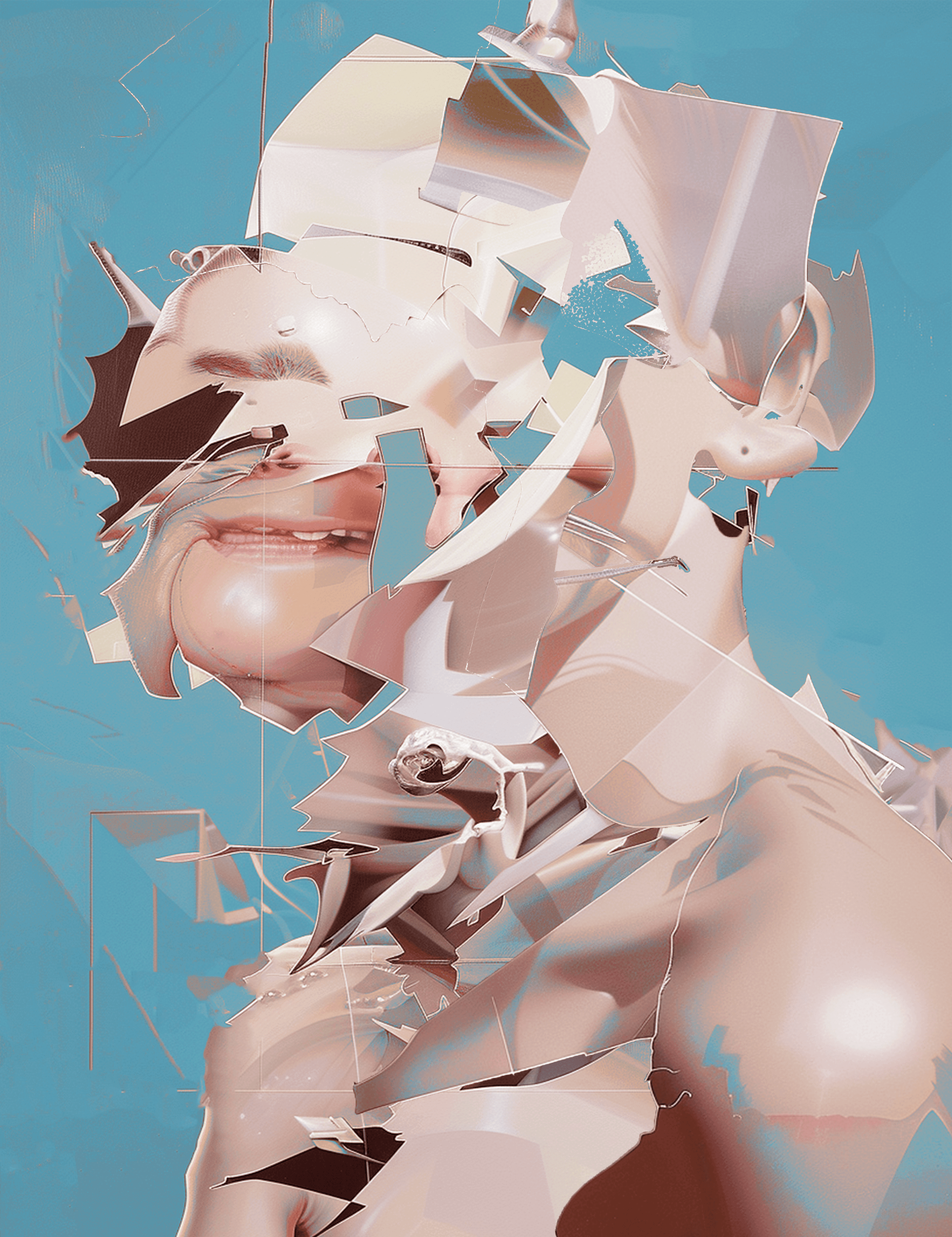
會見明也|Akiya Aimi
表層の形態的な関連
2026
Acrylic on panel,linen
65.2×50.0×5.0cm

會見明也|Akiya Aimi
顔
2026
Pencil (charcoal) on paper
68.0×54.0×3.0cm (framed)

大谷陽一郎|Yoichiro Otani
e-n #2
2026
Mixed media on canvas
72.7×60.6cm

大谷陽一郎|Yoichiro Otani
ki/u #53
2023
Mixed media on canvas
91.0×65.2cm

サガキケイタ|Keita Sagaki
ヴァニタスI -Too Late To Die-
2026
Pen, Fabriano Classico paper, panel
39.5×56.0cm

サガキケイタ|Keita Sagaki
ヴァニタスⅢ -Smoke Gets In Your Eyes-
2026
Pen, Fabriano Classico paper, panel
32.0×24.5cm

サガキケイタ|Keita Sagaki
黒扇(Fan, Fan, Fan)
2025
Pen, Fabriano Classico paper, panel
63.7×42.4cm

會見明也|Akiya Aimi
皮膚という輪郭
2026
Acrylic on panel,linen
100.0×65.2×5.0cm
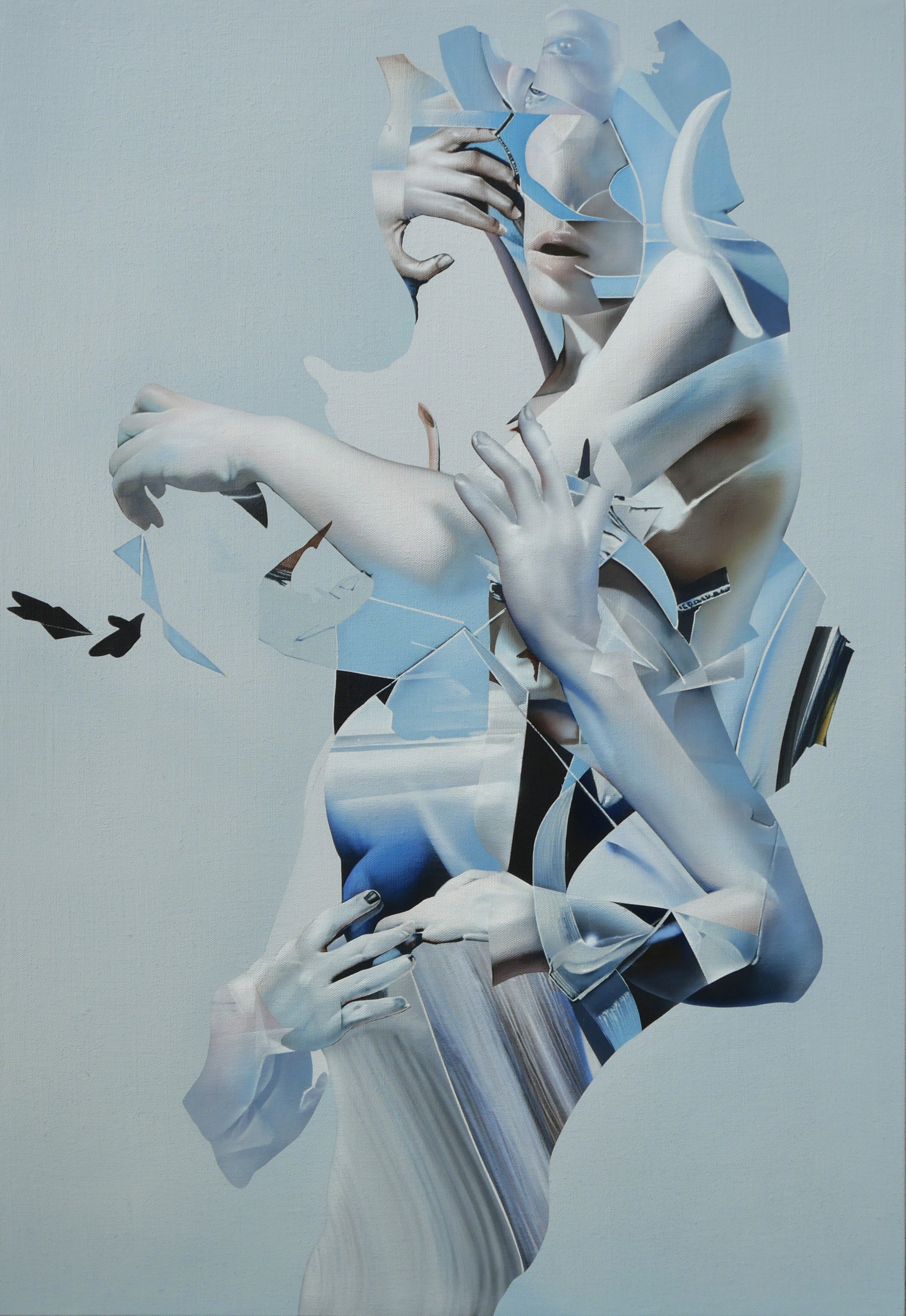
會見明也|Akiya Aimi
嵌合体の身体回帰
2026
Acrylic on panel,linen
116.7×80.3×5.0cm

サガキケイタ|Keita Sagaki
Repetition eyes [ヴィーナスの誕生 #3]
2025
Pen, Fabriano Classico paper, panel
27.0×27.0cm

會見明也|Akiya Aimi
人
2026
Pencil (charcoal) on paper
68.0×54.0×3.0cm (framed)
開催概要|Exhibition Details
Exhibition Title:Konstellation
Artist:大谷 陽一郎|Yoichiro Otani サガキケイタ|Keita Sagaki
会期|Dates:2026.8.29(Sat)-2026.9.20(Sun)
Open:Thu-Sun 13:00-19:00
Close:Mon,Tue,Wed,public holidays
*Tuesdays, Wednesdays, and public holidays are open for private viewings by appointment only.
会場|Venue:VACANT ROOM
東京都渋谷区渋谷4-3ー6 B1F
B1F 4-3-6 Shibuya Shibuya-ku Tokyo
Email:info@vacant-room.com
Yoichiro Otani & Keita Sagaki
Yoichiro Otani & Keita Sagaki
Konstellation
Konstellation
Konstellation
August 29 – September 20, 2026
August 29 – September 20, 2026
August 29 – September 20, 2026
VACANT ROOMは、大谷陽一郎とサガキケイタによる二人展「Konstellation」を開催いたします。
Konstellationは天体相互の位置関係を原義とし、転じて、複数の要素の配置や結びつきから生じる状況を意味します。ヴァルター・ベンヤミンもまた、この語を個々の要素の固有性を保ちながら、その関係から全体を捉える認識論的なモデルとして用いました。
本展では、モノクロームの作品を中心に、白と黒を展示空間の視覚的な基調とします。これにより、色彩の作用が相対的に抑えられ、画面を構成する視覚要素と、それらが全体像を形づくる過程がより明確になります。さらに、こうした展示構成は、夜空に点在する天体がその位置関係によって一つの星座として把握されるというKonstellation本来の意味とも呼応します。
大谷陽一郎は、漢字を線的な秩序から解放し、画面上に配する視覚詩を制作してきました。個々の漢字は形態・音韻・意味を備えた読解可能な記号である一方、画面全体においては線や点、さらには画素に近い視覚的単位として機能します。文字群は隣接関係を越えて複数の方向へと結びつき、鑑賞者の視線の移動に応じて異なる連関を形成します。近距離では一つひとつの文字の形態や意味が前景化し、距離をとると、それらの集積がより大きな図像として把握され、一つの画面のうちに異なる視覚的尺度が併存します。
本展で大谷は、波紋を主題とした新シリーズを発表します。一点から生じた円環が周囲へ伝播し、別の円環と交差しながら広がる波紋の構造は、文字同士の関係が画面全域へと展開していく大谷の制作方法と呼応しています。ここで波紋は描写の対象であると同時に、文字の集積から全体像が成立していく過程を示す構造でもあります。
サガキケイタは、美術史上広く知られた古典絵画などの既存図像を参照し、その像を製図ペンで即興的に描く無数のキャラクターによって再構成してきました。遠距離では一つの明確な図像として把握される画面は、接近するにつれて膨大な微視的図像の集合へと分節され、それぞれが独立した形態と内容をもつ像として顕在化します。既知の全体像を出発点とし、鑑賞距離の変化によって細部が顕在化する構成には、サガキの制作における全体と部分の流動的な関係が表れています。
本展でサガキは、髑髏を主題とする古典絵画を題材とした新シリーズを発表します。髑髏は、memento moriの伝統やvanitas絵画のなかで、死や生の有限性を想起させる代表的なモティーフとして用いられてきました。サガキの作品では、こうした歴史的象徴性を帯びた図像が、大衆文化的かつ戯画的なキャラクター群によって構成されます。そこでは、髑髏というモティーフに蓄積された歴史的意味と、それを構成する個々のキャラクターの形態や内容が、一つの画面のなかに併存しています。
二人の作品は、部分から全体へ、全体から部分へという構成の方向において対照をなします。大谷においては、個々の文字から生じる連関の集積によってより大きな像が形成されるのに対し、サガキにおいては、あらかじめ設定された全体像への接近を通じて、それを構成する無数の形象が次第に顕在化します。こうした方向性の違いをもちながら、いずれの作品においても鑑賞者は距離と視線を変化させることで、細部の認識と全体像の把握とのあいだを往還します。そこでは、それぞれの形象が固有の形態や意味を保ちながら全体像を成り立たせると同時に、全体像もまたそれらの形象のあり方を規定します。部分と全体は相互に規定し合い、その関係を通じて像の意味と構造が形成されます。
VACANT ROOM is pleased to present Konstellation, a two-person exhibition featuring Yoichiro Otani and Keita Sagaki.
Konstellation originally refers to the relative positions of celestial bodies and, by extension, to a situation arising from the arrangement and interrelation of multiple elements. Walter Benjamin likewise employed the term as an epistemological model for grasping a whole through the relations among its constituent elements while preserving the distinct character of each.
Centering on monochrome works, the exhibition establishes black and white as the visual basis of the exhibition space. By relatively suppressing the role of color, the visual elements that constitute each image—and the process through which they form a larger whole—become more clearly perceptible. At the same time, this exhibition structure resonates with the original meaning of Konstellation: celestial bodies scattered across the night sky are perceived as a single constellation through their relative positions.
Yoichiro Otani has developed a form of visual poetry in which kanji characters are released from linear order and distributed across the pictorial field. While each character remains a legible sign endowed with form, sound, and meaning, within the composition as a whole it also functions as a visual unit akin to a line, a point, or even a pixel. Groups of characters connect in multiple directions beyond their immediate adjacencies, generating different constellations of relations as the viewer’s gaze moves across the surface. At close range, the form and meaning of each character come to the fore; from a distance, their accumulation is perceived as a larger image, allowing different visual scales to coexist within a single pictorial field.
For this exhibition, Otani presents a new series centered on the motif of ripples. Circular forms originating from a single point propagate outward, expanding as they intersect with other circles. The structure of these ripples corresponds to Otani’s working method, in which relations among characters extend across the entire pictorial field. Here, the ripple is not only an object of depiction but also a structure that articulates the process by which an accumulation of characters gives rise to a larger image.
Keita Sagaki has drawn upon familiar images from art history, including classical paintings, reconstructing them through countless characters improvised with a technical pen. From a distance, the composition is perceived as a single, clearly recognizable image; as the viewer approaches, however, it breaks down into a vast accumulation of microscopic images, each emerging as an autonomous figure with its own form and content. This movement from a pre-established whole toward the gradual disclosure of its details through changes in viewing distance reveals the fluid relationship between whole and part that characterizes Sagaki’s practice.
For this exhibition, Sagaki presents new works based on classical paintings featuring the skull as their central motif. Within the traditions of memento mori and vanitas painting, the skull has long served as a representative motif evoking death and the finitude of life. In Sagaki’s work, images bearing such historical symbolism are constructed from groups of characters drawn from popular culture and caricature. Within a single pictorial field, the historical meanings accumulated around the motif of the skull coexist with the forms and contents of the individual characters from which it is composed.
The works of the two artists stand in contrast in the direction of their construction: from part to whole, and from whole to part. In Otani’s work, a larger image emerges through the accumulation of relations generated among individual characters; in Sagaki’s, approaching a predetermined overall image gradually reveals the countless figures of which it is composed. Despite these opposing directions, both artists prompt the viewer to move back and forth between the recognition of detail and the apprehension of the whole by altering viewing distance and the movement of the gaze. Each figure retains its own form and meaning while contributing to the formation of the larger image, just as the larger image, in turn, determines how those individual figures are perceived. Part and whole thus define one another, and through this reciprocal relation, the meaning and structure of the image are formed.
Works
Works
大谷陽一郎|Yoichiro Otani
e-n #1
2026
Mixed media on canvas
130.3×97.0cm
大谷陽一郎|Yoichiro Otani
e-n #1
2026
Mixed media on canvas
130.3×97.0cm
大谷陽一郎|Yoichiro Otani
e-n #1
2026
Mixed media on canvas
130.3×97.0cm
大谷陽一郎|Yoichiro Otani
e-n #2
2026
Mixed media on canvas
72.7×60.6cm
大谷陽一郎|Yoichiro Otani
e-n #2
2026
Mixed media on canvas
72.7×60.6cm
大谷陽一郎|Yoichiro Otani
e-n #2
2026
Mixed media on canvas
72.7×60.6cm
大谷陽一郎|Yoichiro Otani
ki/u #33
2023
Mixed media on canvas
53.0×33.3cm
大谷陽一郎|Yoichiro Otani
ki/u #33
2023
Mixed media on canvas
53.0×33.3cm
大谷陽一郎|Yoichiro Otani
ki/u #33
2023
Mixed media on canvas
53.0×33.3cm
大谷陽一郎|Yoichiro Otani
ki/u #53
2023
Mixed media on canvas
91.0×65.2cm
大谷陽一郎|Yoichiro Otani
ki/u #70
2023
Mixed media on canvas
65.2×45.5cm
大谷陽一郎|Yoichiro Otani
ki/u #70
2023
Mixed media on canvas
65.2×45.5cm
大谷陽一郎|Yoichiro Otani
ki/u #70
2023
Mixed media on canvas
65.2×45.5cm
サガキケイタ|Keita Sagaki
ヴァニタスI -Too Late To Die-
2026
Pen, Fabriano Classico paper, panel
39.5×56.0cm
サガキケイタ|Keita Sagaki
ヴァニタスI -Too Late To Die-
2026
Pen, Fabriano Classico paper, panel
39.5×56.0cm
サガキケイタ|Keita Sagaki
ヴァニタスI -Too Late To Die-
2026
Pen, Fabriano Classico paper, panel
39.5×56.0cm
サガキケイタ|Keita Sagaki
ヴァニタスII -No Future No Cry-
2026
Pen, Fabriano Classico paper, panel
24.1×35.9cm
サガキケイタ|Keita Sagaki
ヴァニタスII -No Future No Cry-
2026
Pen, Fabriano Classico paper, panel
24.1×35.9cm
サガキケイタ|Keita Sagaki
ヴァニタスII -No Future No Cry-
2026
Pen, Fabriano Classico paper, panel
24.1×35.9cm
サガキケイタ|Keita Sagaki
ヴァニタスⅢ -Smoke Gets In Your Eyes-
2026
Pen, Fabriano Classico paper, panel
32.0×24.5cm
サガキケイタ|Keita Sagaki
ヴァニタスⅢ -Smoke Gets In Your Eyes-
2026
Pen, Fabriano Classico paper, panel
32.0×24.5cm
サガキケイタ|Keita Sagaki
ヴァニタスⅢ -Smoke Gets In Your Eyes-
2026
Pen, Fabriano Classico paper, panel
32.0×24.5cm
サガキケイタ|Keita Sagaki
ヴァニタスIV -Sweet Surrender-
2026
Pen, Fabriano Classico paper, panel
37.0×45.5cm
サガキケイタ|Keita Sagaki
ヴァニタスIV -Sweet Surrender-
2026
Pen, Fabriano Classico paper, panel
37.0×45.5cm
サガキケイタ|Keita Sagaki
ヴァニタスIV -Sweet Surrender-
2026
Pen, Fabriano Classico paper, panel
37.0×45.5cm
サガキケイタ|Keita Sagaki
黒扇(Fan, Fan, Fan)
2025
Pen, Fabriano Classico paper, panel
63.7×42.4cm
サガキケイタ|Keita Sagaki
黒扇(Fan, Fan, Fan)
2025
Pen, Fabriano Classico paper, panel
63.7×42.4cm
サガキケイタ|Keita Sagaki
黒扇(Fan, Fan, Fan)
2025
Pen, Fabriano Classico paper, panel
63.7×42.4cm
サガキケイタ|Keita Sagaki
エロシェンコ氏の像(Make Love)
2025
Pen, Fabriano Classico paper, panel
45.5×42.0cm
サガキケイタ|Keita Sagaki
エロシェンコ氏の像(Make Love)
2025
Pen, Fabriano Classico paper, panel
45.5×42.0cm
サガキケイタ|Keita Sagaki
エロシェンコ氏の像(Make Love)
2025
Pen, Fabriano Classico paper, panel
45.5×42.0cm
サガキケイタ|Keita Sagaki
Repetition eyes [ヴィーナスの誕生 #3]
2025
Pen, Fabriano Classico paper, panel
27.0×27.0cm
サガキケイタ|Keita Sagaki
Repetition eyes [ヴィーナスの誕生 #3]
2025
Pen, Fabriano Classico paper, panel
27.0×27.0cm
サガキケイタ|Keita Sagaki
Repetition eyes [ヴィーナスの誕生 #3]
2025
Pen, Fabriano Classico paper, panel
27.0×27.0cm
Installation View
Installation View
開催概要|Exhibition Details
Exhibition Title:Konstellation
Artist:大谷 陽一郎|Yoichiro Otani サガキケイタ|Keita Sagaki
会期|Dates:2026.8.29(Sat)-2026.9.20(Sun)
Open:Thu-Sun 13:00-19:00
Close:Mon,Tue,Wed,public holidays
*Tuesdays, Wednesdays, and public holidays are open for private viewings by appointment only.
会場|Venue:VACANT ROOM
東京都渋谷区渋谷4-3ー6 B1F
B1F 4-3-6 Shibuya Shibuya-ku Tokyo
Email:info@vacant-room.com
開催概要|Exhibition Details
Exhibition Title:Konstellation
Artist:大谷 陽一郎|Yoichiro Otani サガキケイタ|Keita Sagaki
会期|Dates:2026.8.29(Sat)-2026.9.20(Sun)
Open:Thu-Sun 13:00-19:00
Close:Mon,Tue,Wed,public holidays
*Tuesdays, Wednesdays, and public holidays are open for private viewings by appointment only.
会場|Venue:VACANT ROOM
東京都渋谷区渋谷4-3ー6 B1F
B1F 4-3-6 Shibuya Shibuya-ku Tokyo
Email:info@vacant-room.com
開催概要|Exhibition Details
Exhibition Title:Konstellation
Artist:大谷 陽一郎|Yoichiro Otani サガキケイタ|Keita Sagaki
会期|Dates:2026.8.29(Sat)-2026.9.20(Sun)
Open:Thu-Sun 13:00-19:00
Close:Mon,Tue,Wed,public holidays
*Tuesdays, Wednesdays, and public holidays are open for private viewings by appointment only.
会場|Venue:VACANT ROOM
東京都渋谷区渋谷4-3ー6 B1F
B1F 4-3-6 Shibuya Shibuya-ku Tokyo
Email:info@vacant-room.com