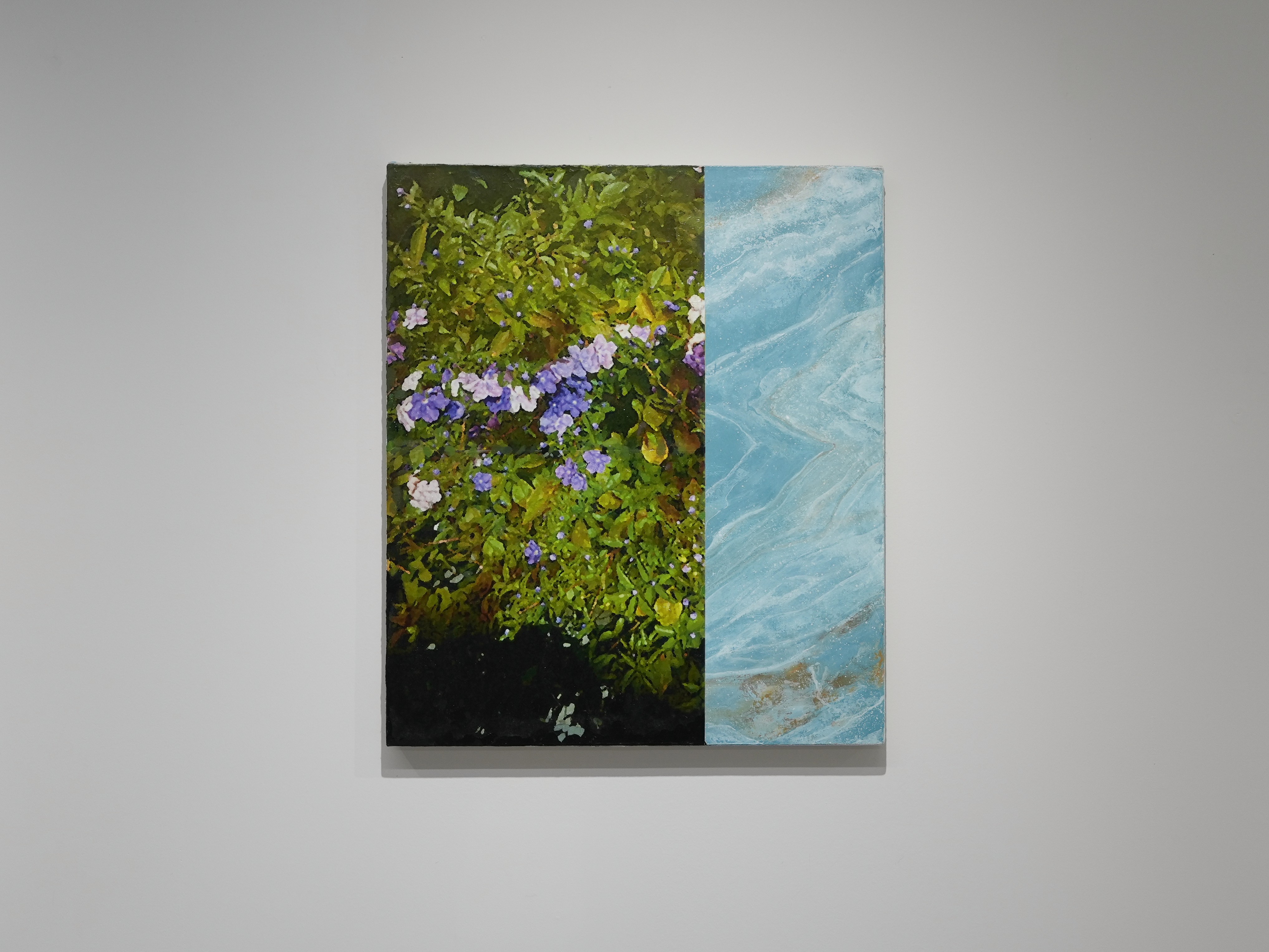
Shohei Yamamoto
Insentient Beings
March 28 - April 19, 2026
VACANT ROOMでは、山本捷平による個展『Insentient Beings』を開催いたします。本展は、山本にとって国内では約一年半ぶりの個展となります。
「Insentient Beings(非情物)」とは、生命や意志を持たない器物や物質を指す言葉ですが、日本の中世的世界観においては、長い時間の蓄積によってそれらが霊性を帯びると考えられてきました。とりわけ、使い古された道具に霊が宿る「付喪神」の観念は、その象徴的な例です。室町時代成立の『付喪神絵巻』には、捨てられた古道具が妖怪化し、一揆を起こしたのち成仏へと至る過程が描かれており、器物に蓄積された時間が存在の位相を変化させるという思想が示されています。また、詞書に見られる「百年に一年足りぬ」という表現は「九十九」を指し、器物が霊性を帯びる臨界としての時間を象徴しています。
山本の《99》シリーズは、こうした非情物の観念を参照しつつ、現代における視覚イメージの成立のあり方を問い直します。写真や印刷、デジタル技術の普及以降、イメージは単一の原像を再現するものではなく、既存の図像を引用・複製・再配置する連鎖のなかで生成されるようになりました。このような状況において、イメージはもはや原像に従属するのではなく、相互参照的な関係のもとで成立する存在へと変化しています。
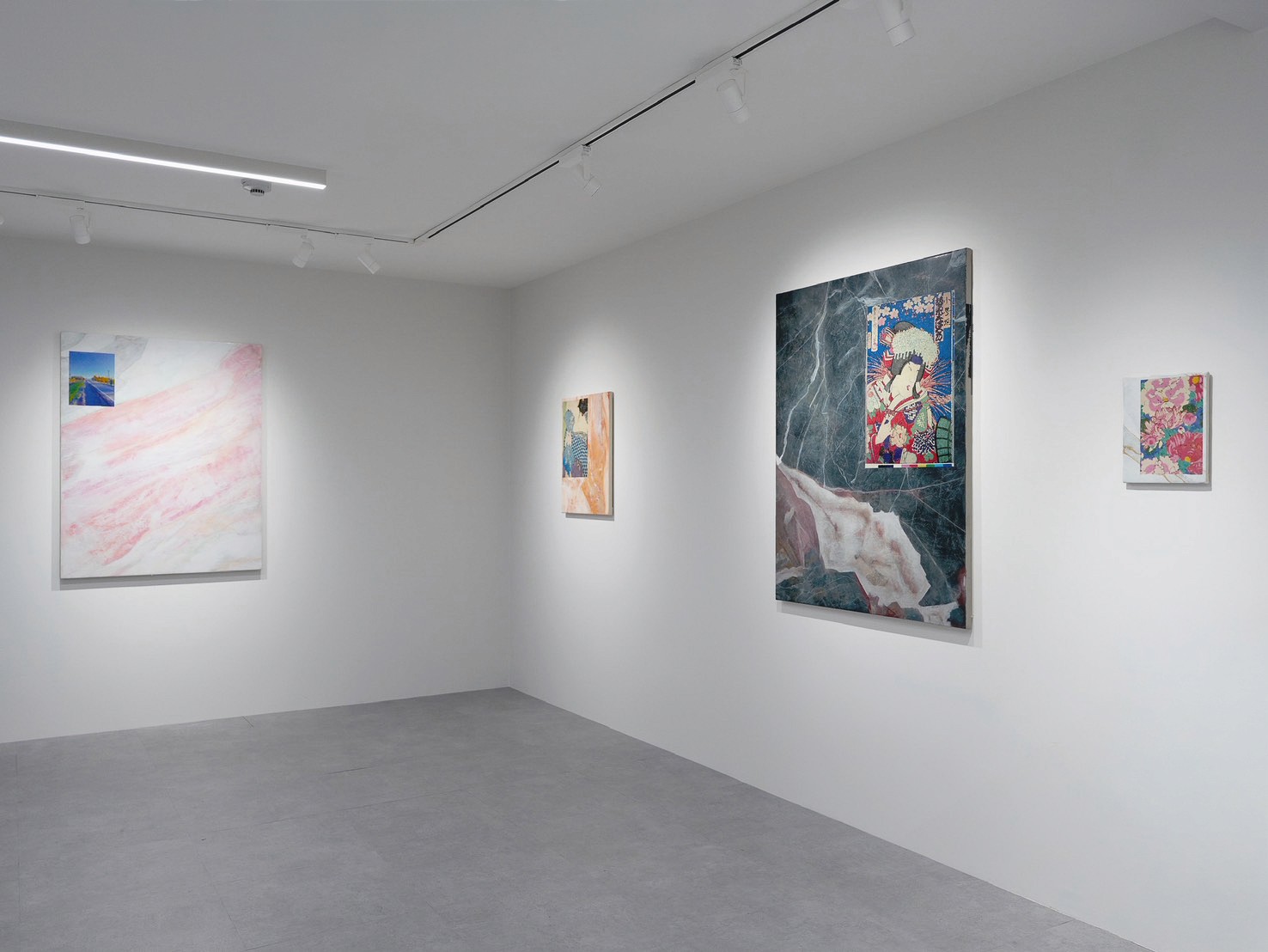
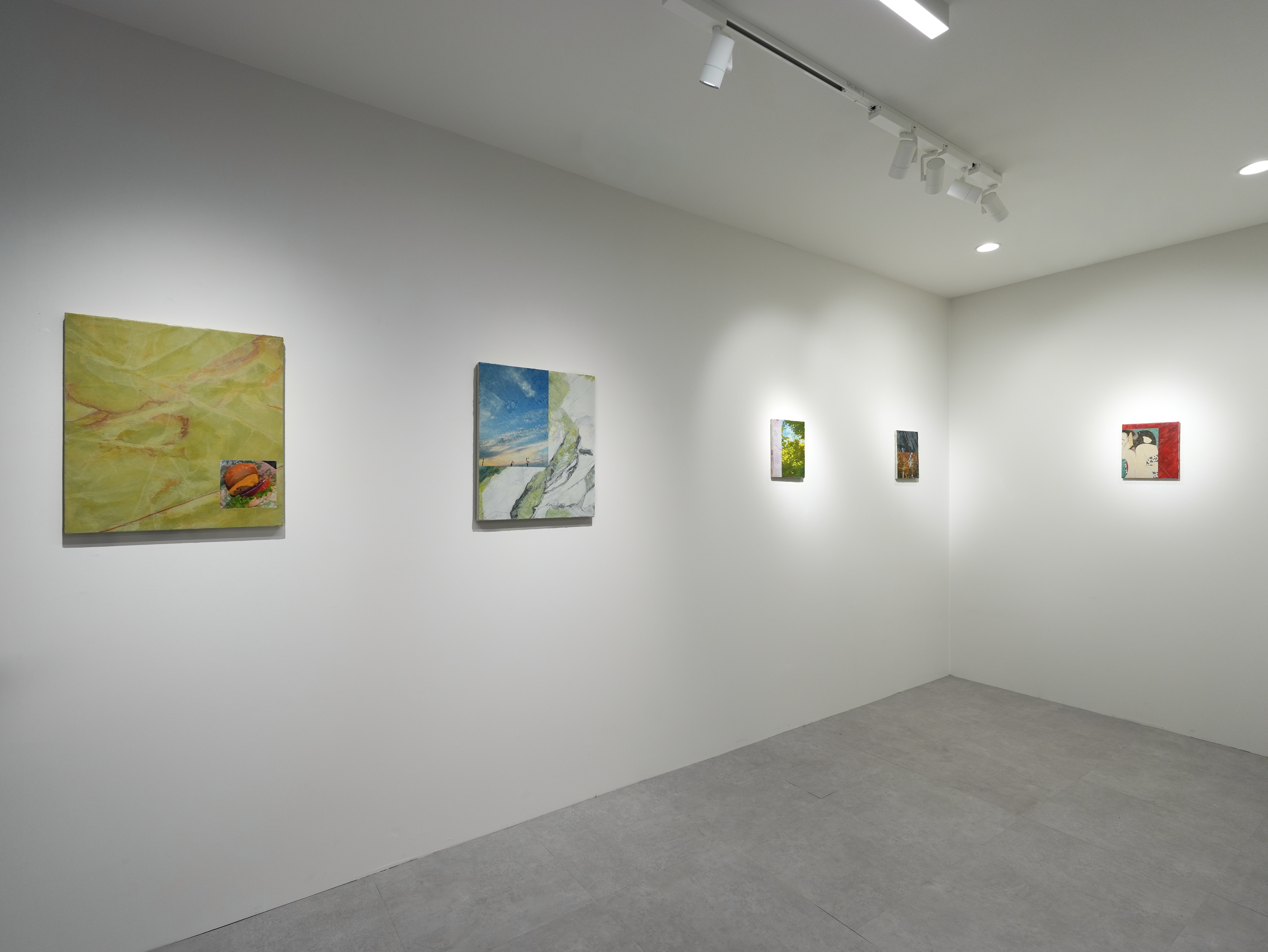
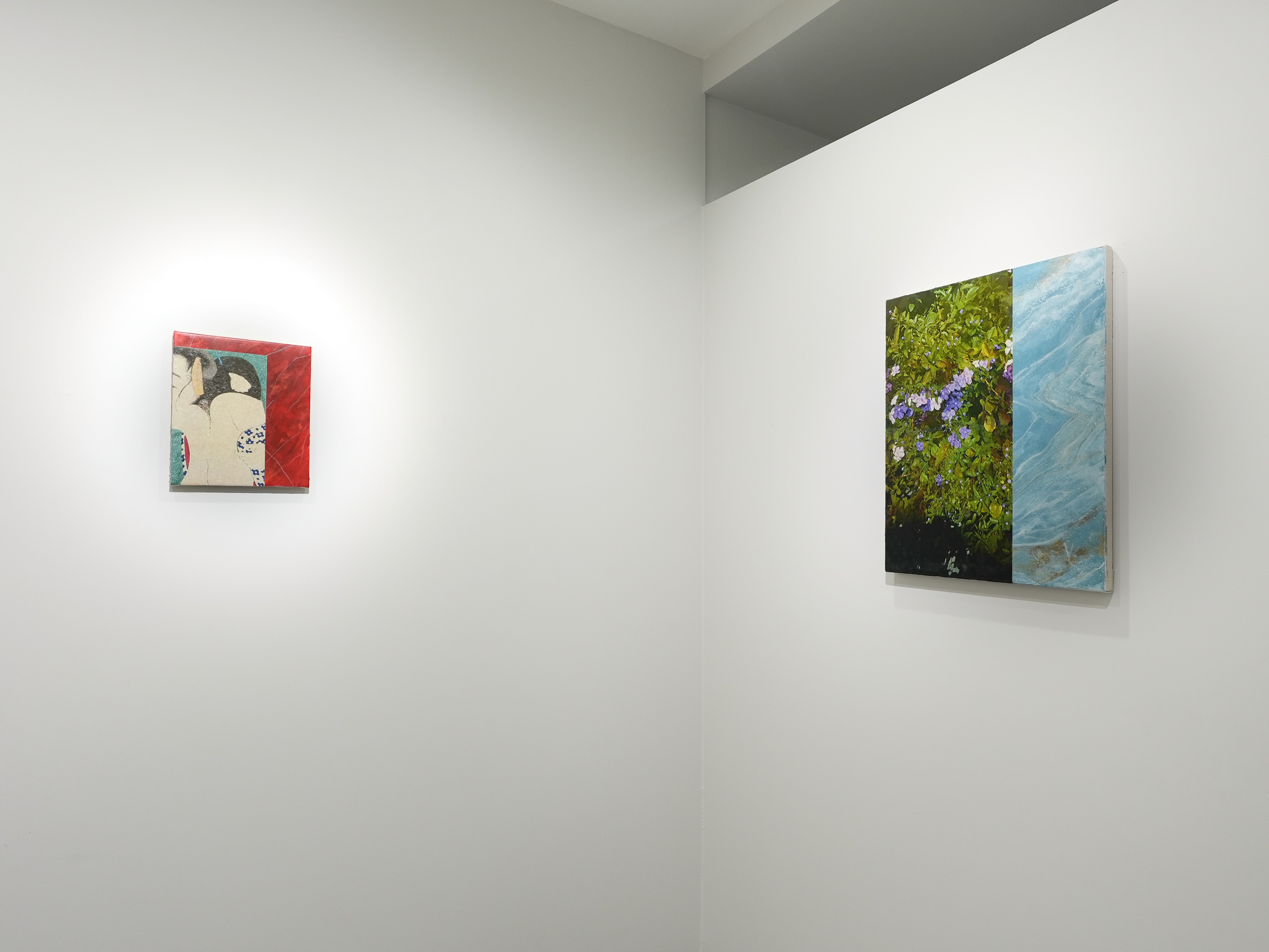
本展でまず目を引くのは、画面の基層として描かれる大理石模様です。自然の石紋を模したこのパターンは、地質学的時間のなかで物質内部に刻み込まれた生成の痕跡を想起させるものとして機能します。その上に、異なる時代や媒体に由来する図像が重ねられ、複数の時間が交差する層構造が形成されます。この時間の蓄積という観点は、器物が長い年月を経て霊性を帯びるとされた付喪神の時間観とも響き合います。加えて、「九十九」という未完の数が示す生成の途上性は、完成へと収斂しないイメージのあり方とも重なります。
VACANT ROOM is pleased to present a solo exhibition by Yamamoto Shohei, Insentient Beings. This marks the artist’s first solo exhibition in Japan in approximately one and a half years.
The term Insentient Beings refers to objects and materials that lack life or will. However, within the medieval Japanese worldview, such entities were believed to acquire a form of spirituality through the accumulation of time. The notion of tsukumogami—wherein well-used tools come to be inhabited by spirits—serves as a particularly emblematic example. The Tsukumogami Emaki, a picture scroll from the Muromachi period, depicts the transformation of discarded utensils into animated beings that, after rising in revolt, ultimately attain salvation. Here, time accumulated within objects is understood as a force that alters their ontological status. Furthermore, the expression “one year short of a hundred,” found in the accompanying text, refers to the number ninety-nine, symbolizing a threshold at which objects come to possess spiritual agency.
Yamamoto’s 99 series draws on this conception of insentient beings while re-examining the conditions under which visual images are constituted in the present. With the widespread adoption of photography, print, and digital technologies, images are no longer understood as reproductions of a singular original. Instead, they emerge through chains of citation, replication, and reconfiguration of pre-existing imagery. Under such conditions, images no longer remain subordinate to an origin but come to exist within a network of mutual reference.
A defining feature of the exhibition is the marble-like pattern that forms the underlying stratum of the pictorial surface. This motif, which evokes the veining of natural stone, functions as a trace of formation inscribed within matter across geological time. Upon this base, images derived from different periods and media are layered, giving rise to a stratified structure in which multiple temporalities intersect. From this perspective, the accumulation of time resonates with the temporal logic of tsukumogami, wherein objects acquire spiritual presence over extended durations. Moreover, the number ninety-nine—as an incomplete figure—suggests a state of ongoing formation, echoing an image that does not converge toward completion.
Works

Shohei Yamamoto
99-Autumn Road-
2026
Acrylic on canvas, toner
116.7×91.0cm
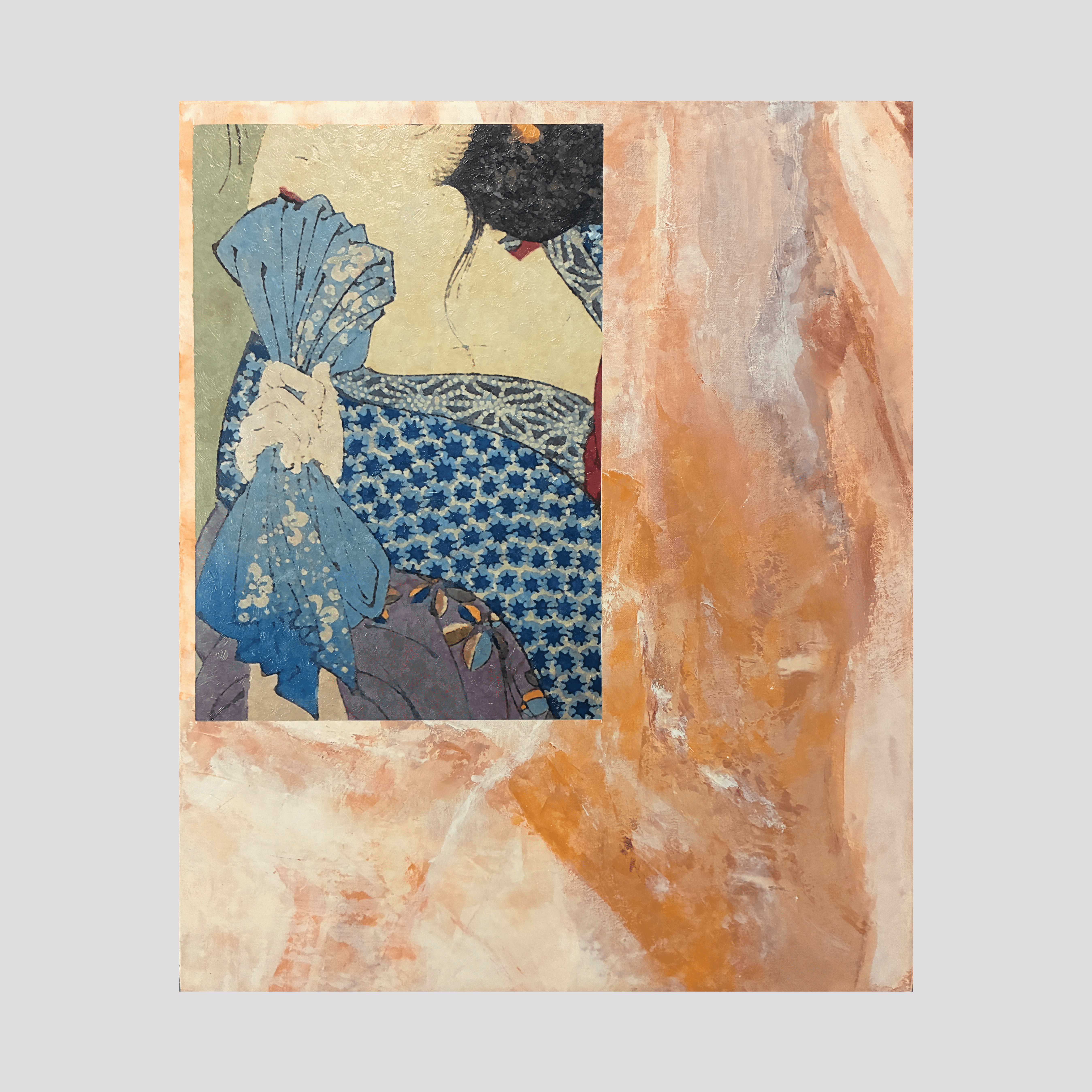
Shohei Yamamoto
99-Itasō-
2026
Acrylic on canvas, toner
60.6×50.0cm
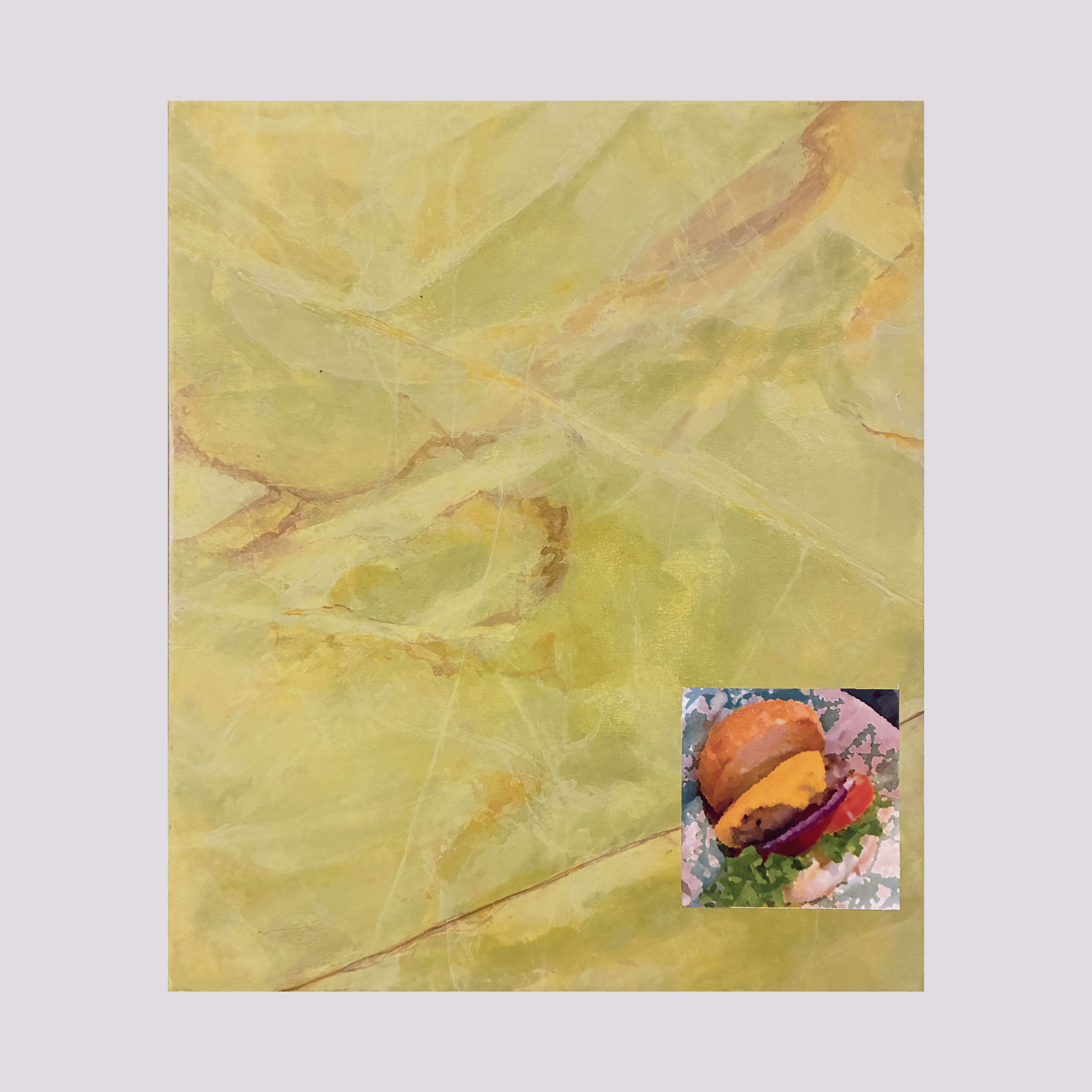
Shohei Yamamoto
99-Hamburger-
2026
Acrylic on canvas, toner
53.0×45.5cm
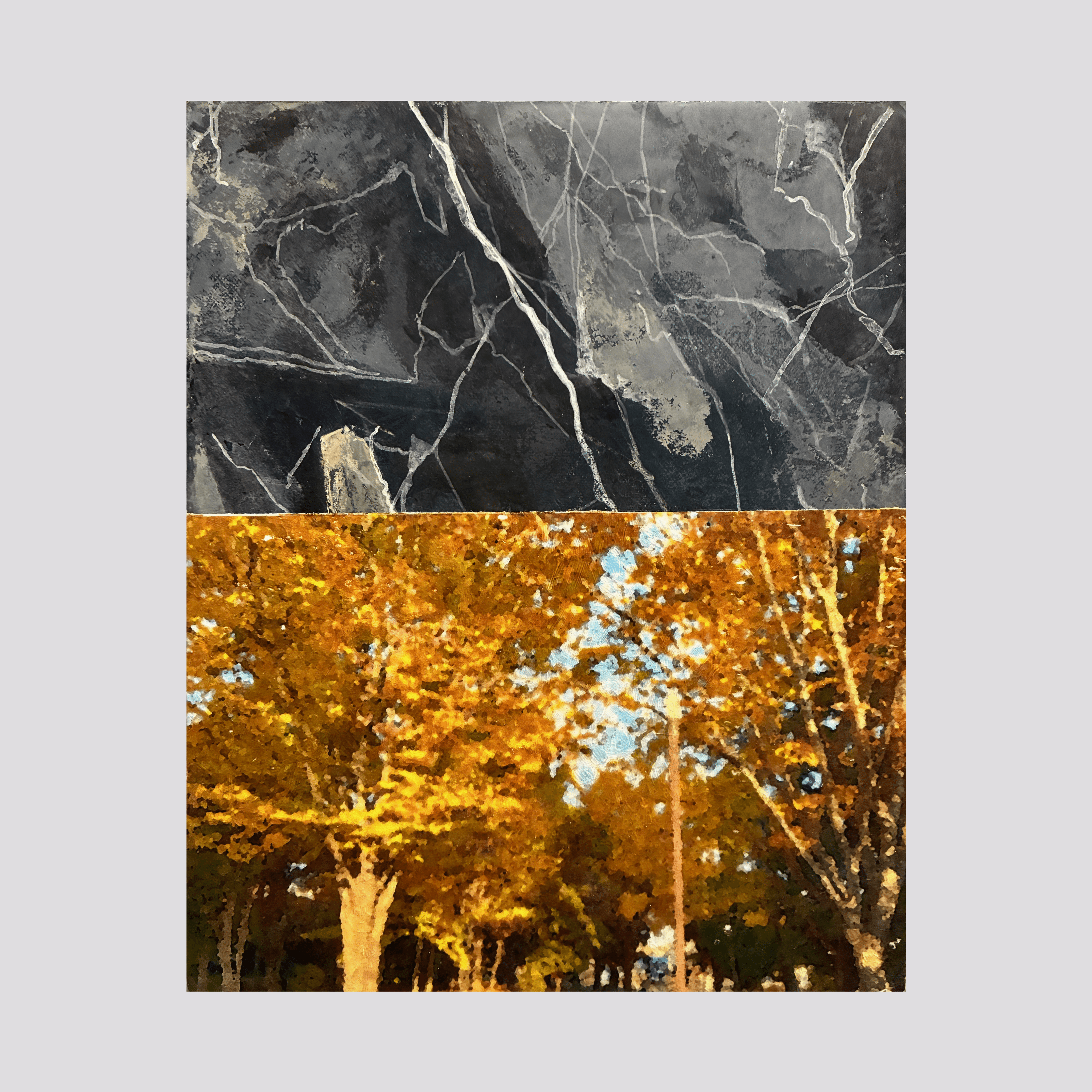
Shohei Yamamoto
99-Whispering Gold-
2026
Acrylic on canvas, toner
27.3×22.0cm

Shohei Yamamoto
99-Flowers-
2026
Acrylic on canvas, toner
27.3×22.0cm

Shohei Yamamoto
99-Komachi-
2026
Acrylic on canvas, toner
116.7×91.0cm
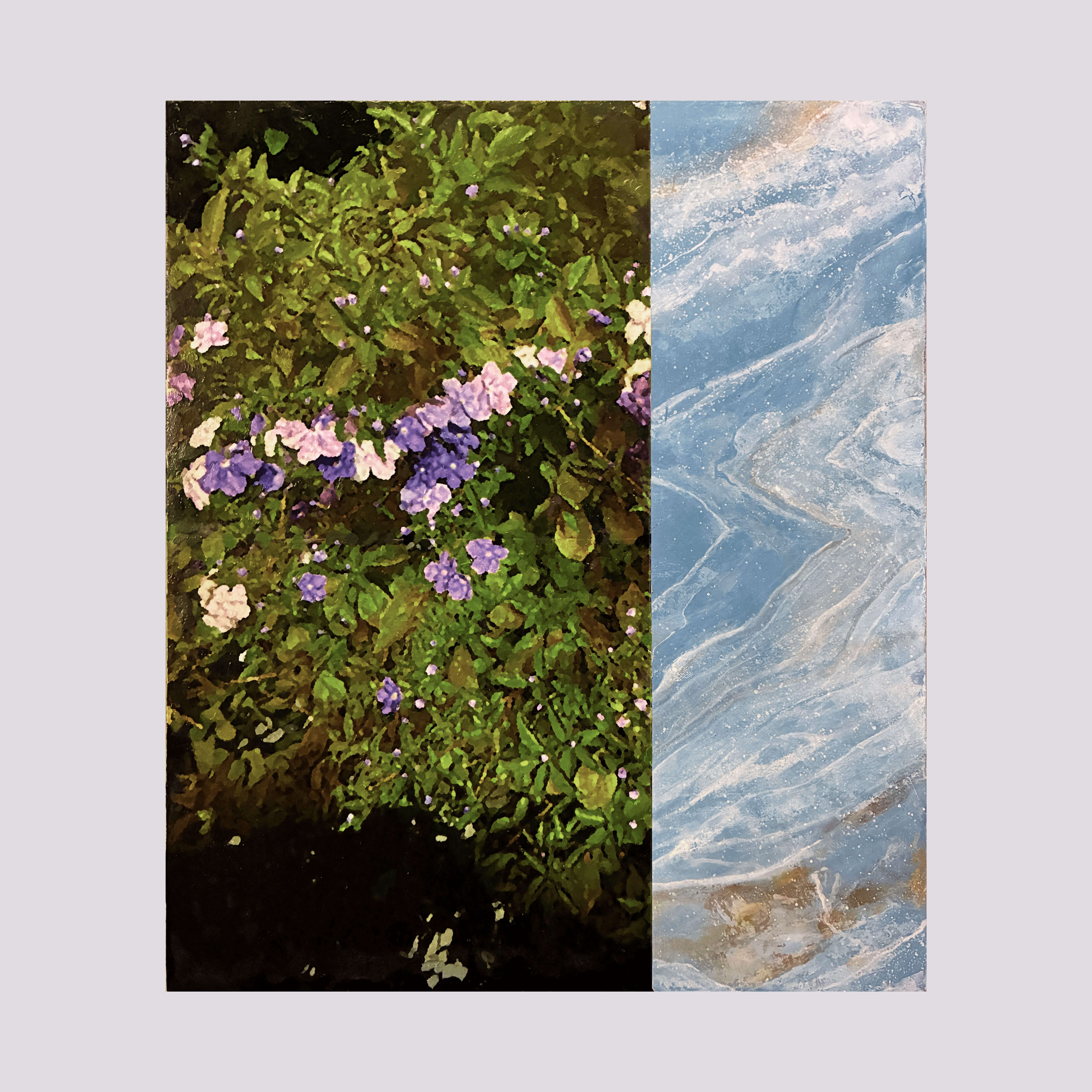
Shohei Yamamoto
99-Hidden Violet-
2026
Acrylic on canvas, toner
53.0×45.5cm
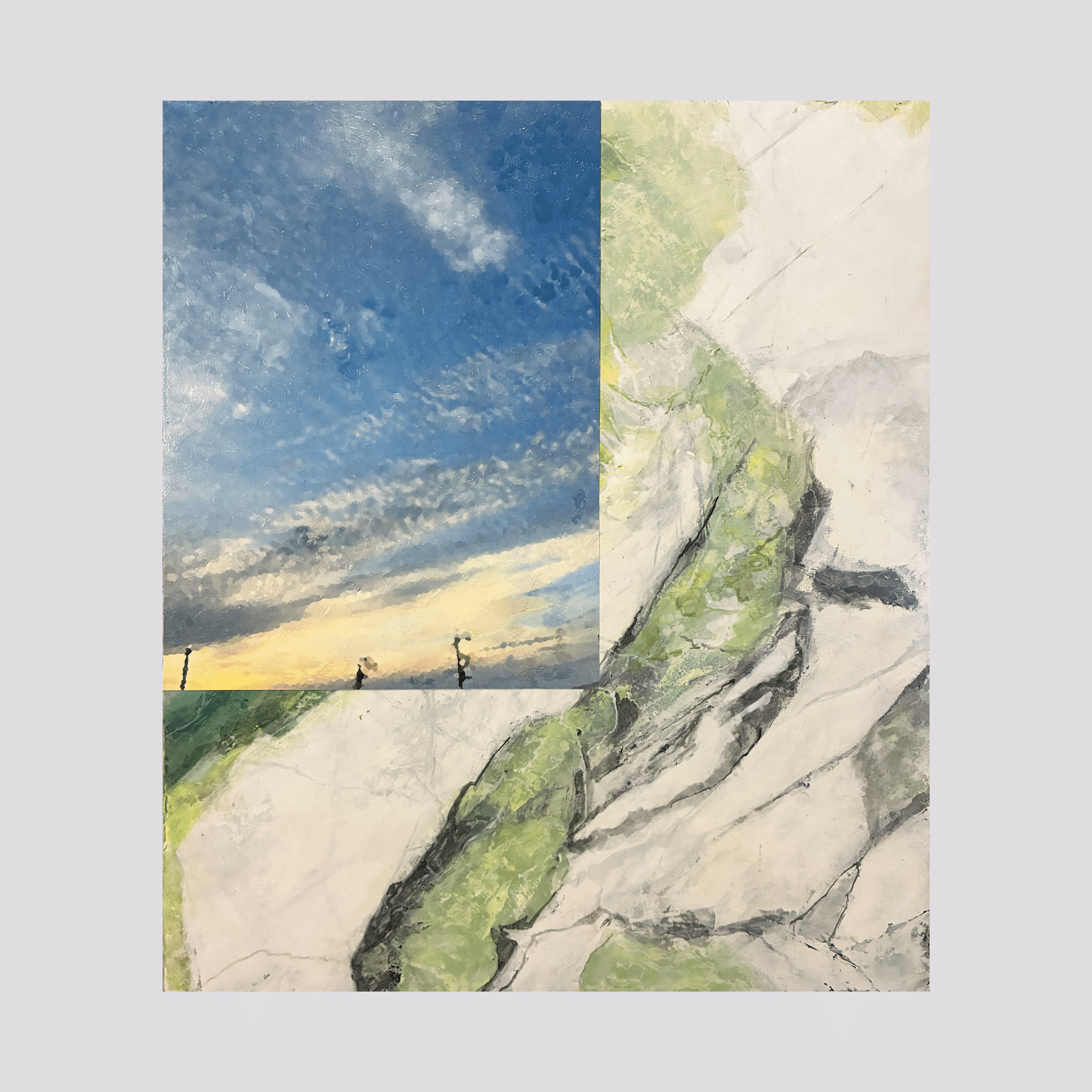
Shohei Yamamoto
99-Last Light-
2026
Acrylic on canvas, toner
53.0×45.5cm
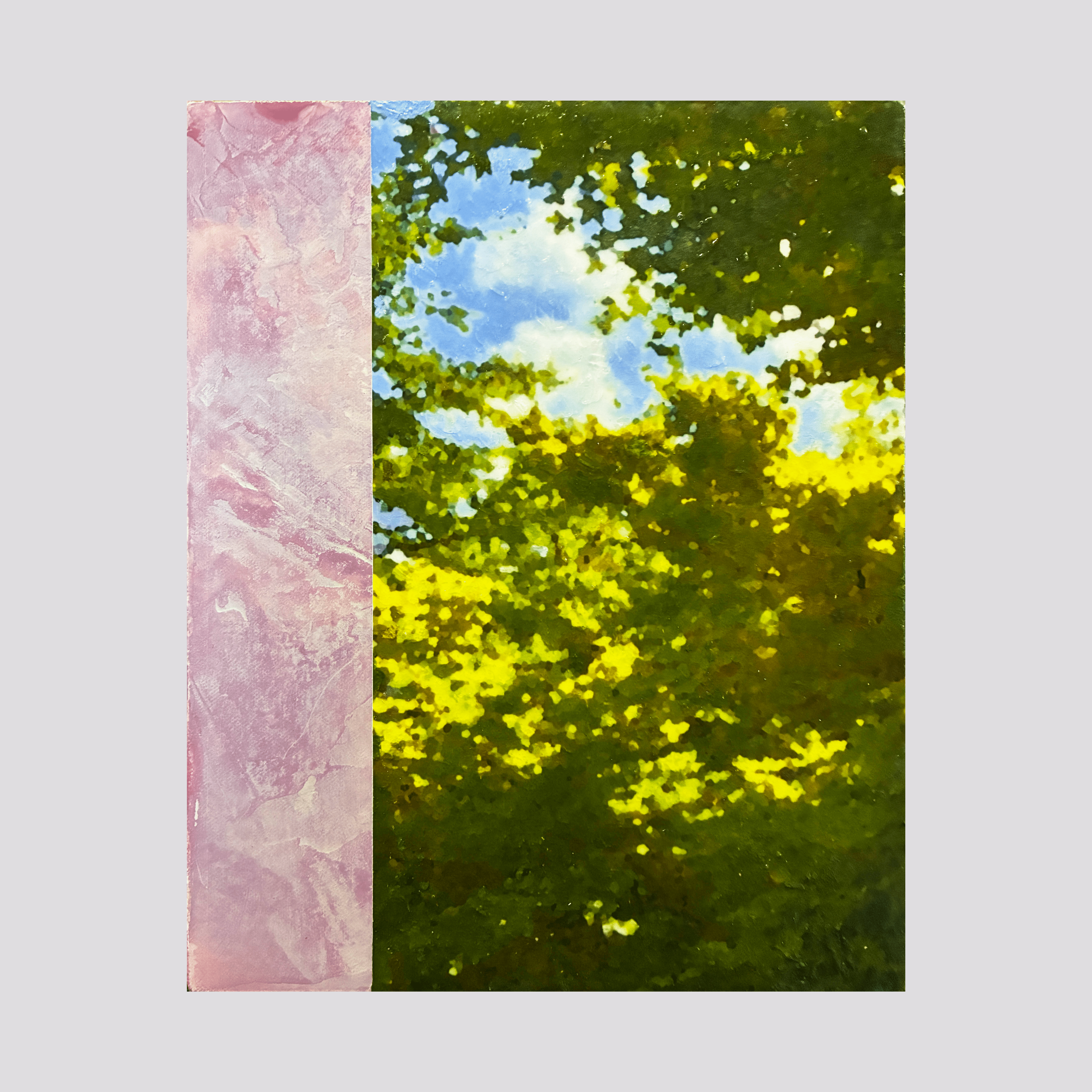
Shohei Yamamoto
99-Between Leaves-
2026
Acrylic on canvas, toner
27.3×22.0cm
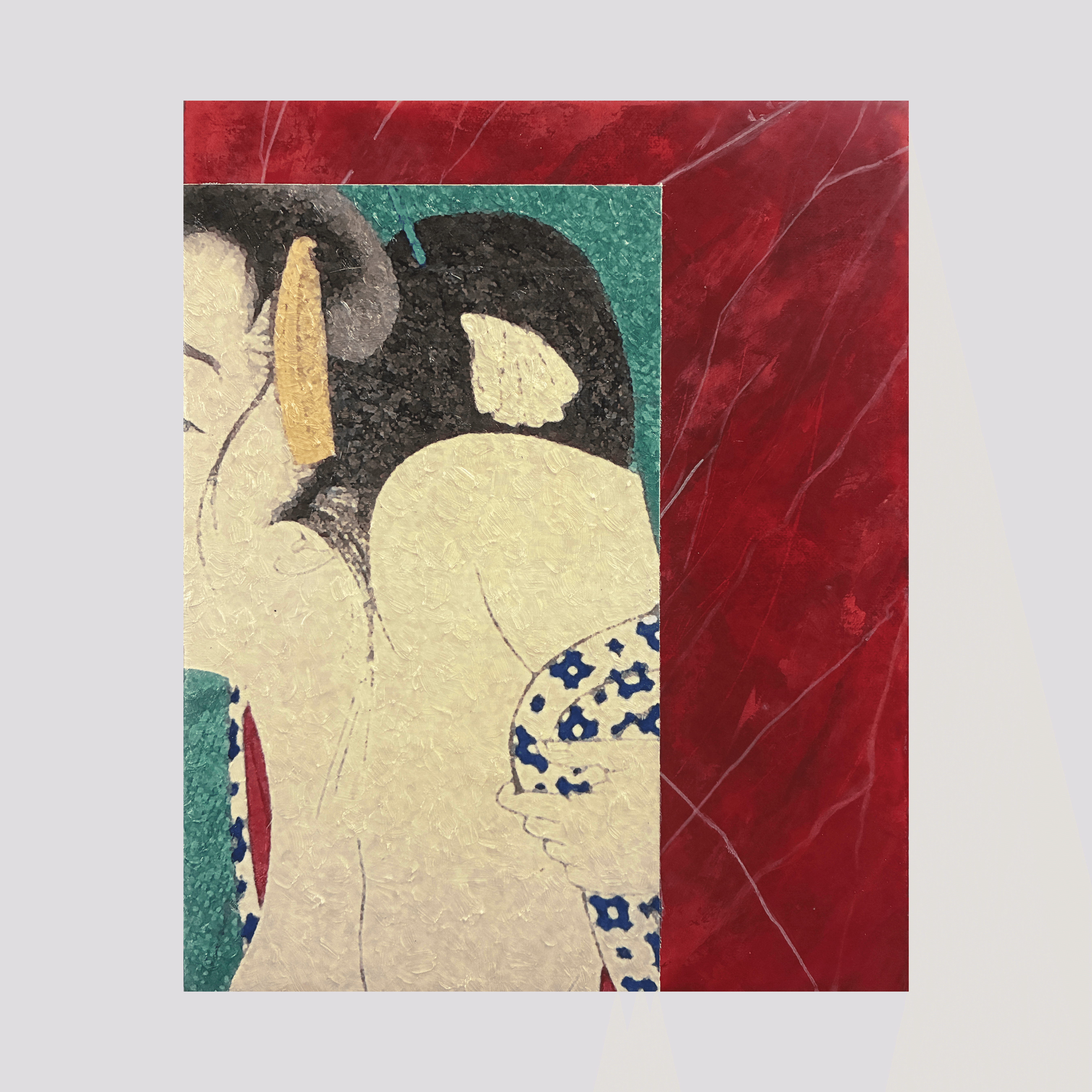
Shohei Yamamoto
99-Kayusō-
2026
Acrylic on canvas, toner
27.3×22.0cm
View Checklist
Installation View
Installation View
Installation View
開催概要|Exhibition Details
Exhibition Title:Insentient Beings
Artist:山本 捷平|Shohei Yamamoto
会期|Dates:2026.3.28(Sat)-2026.4.19(Sun)
Opening Reception:2026.3.28(Sat) 17:00–19:00
Open:Thu-Sun 13:00-19:00
Close:Mon,Tue,Wed,public holidays
*Tuesdays, Wednesdays, and public holidays are open for private viewings by appointment only.
会場|Venue:VACANT ROOM
東京都渋谷区渋谷4-3ー6 B1F
B1F 4-3-6 Shibuya Shibuya-ku Tokyo
Email:info@vacant-room.com
Shohei Yamamoto
Insentient Beings
Insentient Beings
March 28 - April 19, 2026
March 28 - April 19, 2026
VACANT ROOMでは、山本捷平による個展『Insentient Beings』を開催いたします。本展は、山本にとって国内では約一年半ぶりの個展となります。
「Insentient Beings(非情物)」とは、生命や意志を持たない器物や物質を指す言葉ですが、日本の中世的世界観においては、長い時間の蓄積によってそれらが霊性を帯びると考えられてきました。とりわけ、使い古された道具に霊が宿る「付喪神」の観念は、その象徴的な例です。室町時代成立の『付喪神絵巻』には、捨てられた古道具が妖怪化し、一揆を起こしたのち成仏へと至る過程が描かれており、器物に蓄積された時間が存在の位相を変化させるという思想が示されています。また、詞書に見られる「百年に一年足りぬ」という表現は「九十九」を指し、器物が霊性を帯びる臨界としての時間を象徴しています。
山本の《99》シリーズは、こうした非情物の観念を参照しつつ、現代における視覚イメージの成立のあり方を問い直します。写真や印刷、デジタル技術の普及以降、イメージは単一の原像を再現するものではなく、既存の図像を引用・複製・再配置する連鎖のなかで生成されるようになりました。このような状況において、イメージはもはや原像に従属するのではなく、相互参照的な関係のもとで成立する存在へと変化しています。
本展でまず目を引くのは、画面の基層として描かれる大理石模様です。自然の石紋を模したこのパターンは、地質学的時間のなかで物質内部に刻み込まれた生成の痕跡を想起させるものとして機能します。その上に、異なる時代や媒体に由来する図像が重ねられ、複数の時間が交差する層構造が形成されます。この時間の蓄積という観点は、器物が長い年月を経て霊性を帯びるとされた付喪神の時間観とも響き合います。加えて、「九十九」という未完の数が示す生成の途上性は、完成へと収斂しないイメージのあり方とも重なります。
VACANT ROOM is pleased to present a solo exhibition by Yamamoto Shohei, Insentient Beings. This marks the artist’s first solo exhibition in Japan in approximately one and a half years.
The term Insentient Beings refers to objects and materials that lack life or will. However, within the medieval Japanese worldview, such entities were believed to acquire a form of spirituality through the accumulation of time. The notion of tsukumogami—wherein well-used tools come to be inhabited by spirits—serves as a particularly emblematic example. The Tsukumogami Emaki, a picture scroll from the Muromachi period, depicts the transformation of discarded utensils into animated beings that, after rising in revolt, ultimately attain salvation. Here, time accumulated within objects is understood as a force that alters their ontological status. Furthermore, the expression “one year short of a hundred,” found in the accompanying text, refers to the number ninety-nine, symbolizing a threshold at which objects come to possess spiritual agency.
Yamamoto’s 99 series draws on this conception of insentient beings while re-examining the conditions under which visual images are constituted in the present. With the widespread adoption of photography, print, and digital technologies, images are no longer understood as reproductions of a singular original. Instead, they emerge through chains of citation, replication, and reconfiguration of pre-existing imagery. Under such conditions, images no longer remain subordinate to an origin but come to exist within a network of mutual reference.
A defining feature of the exhibition is the marble-like pattern that forms the underlying stratum of the pictorial surface. This motif, which evokes the veining of natural stone, functions as a trace of formation inscribed within matter across geological time. Upon this base, images derived from different periods and media are layered, giving rise to a stratified structure in which multiple temporalities intersect. From this perspective, the accumulation of time resonates with the temporal logic of tsukumogami, wherein objects acquire spiritual presence over extended durations. Moreover, the number ninety-nine—as an incomplete figure—suggests a state of ongoing formation, echoing an image that does not converge toward completion.
Works
Works
Shohei Yamamoto
99-Autumn Road-
2026
Acrylic on canvas, toner
116.7×91.0cm
Shohei Yamamoto
99-Itasō-
2026
Acrylic on canvas, toner
60.6×50.0cm
Shohei Yamamoto
99-Hamburger-
2026
Acrylic on canvas, toner
53.0×45.5cm
Shohei Yamamoto
99-Whispering Gold-
2026
Acrylic on canvas, toner
27.3×22.0cm
Shohei Yamamoto
99-Flowers-
2026
Acrylic on canvas, toner
27.3×22.0cm
Shohei Yamamoto
99-Komachi-
2026
Acrylic on canvas, toner
116.7×91.0cm
Shohei Yamamoto
99-Hidden Violet-
2026
Acrylic on canvas, toner
53.0×45.5cm
Shohei Yamamoto
99-Last Light-
2026
Acrylic on canvas, toner
53.0×45.5cm
Shohei Yamamoto
99-Between Leaves-
2026
Acrylic on canvas, toner
27.3×22.0cm
Shohei Yamamoto
99-Kayusō-
2026
Acrylic on canvas, toner
27.3×22.0cm
Installation View
Installation View
開催概要|Exhibition Details
Exhibition Title:Insentient Beings
Artist:山本 捷平|Shohei Yamamoto
会期|Dates:2026.3.28(Sat)-2026.4.19(Sun)
Opening Reception:2026.3.28(Sat) 17:00–19:00
Open:Thu-Sun 13:00-19:00
Close:Mon,Tue,Wed,public holidays
*Tuesdays, Wednesdays, and public holidays are open for private viewings by appointment only.
会場|Venue:VACANT ROOM
東京都渋谷区渋谷4-3ー6 B1F
B1F 4-3-6 Shibuya Shibuya-ku Tokyo
Email:info@vacant-room.com
開催概要|Exhibition Details
Exhibition Title:Insentient Beings
Artist:山本 捷平|Shohei Yamamoto
会期|Dates:2026.3.28(Sat)-2026.4.19(Sun)
Opening Reception:2026.3.28(Sat) 17:00–19:00
Open:Thu-Sun 13:00-19:00
Close:Mon,Tue,Wed,public holidays
*Tuesdays, Wednesdays, and public holidays are open for private viewings by appointment only.
会場|Venue:VACANT ROOM
東京都渋谷区渋谷4-3ー6 B1F
B1F 4-3-6 Shibuya Shibuya-ku Tokyo
Email:info@vacant-room.com
開催概要|Exhibition Details
Exhibition Title:Insentient Beings
Artist:山本 捷平|Shohei Yamamoto
会期|Dates:2026.3.28(Sat)-2026.4.19(Sun)
Opening Reception:2026.3.28(Sat) 17:00–19:00
Open:Thu-Sun 13:00-19:00
Close:Mon,Tue,Wed,public holidays
*Tuesdays, Wednesdays, and public holidays are open for private viewings by appointment only.
会場|Venue:VACANT ROOM
東京都渋谷区渋谷4-3ー6 B1F
B1F 4-3-6 Shibuya Shibuya-ku Tokyo
Email:info@vacant-room.com